


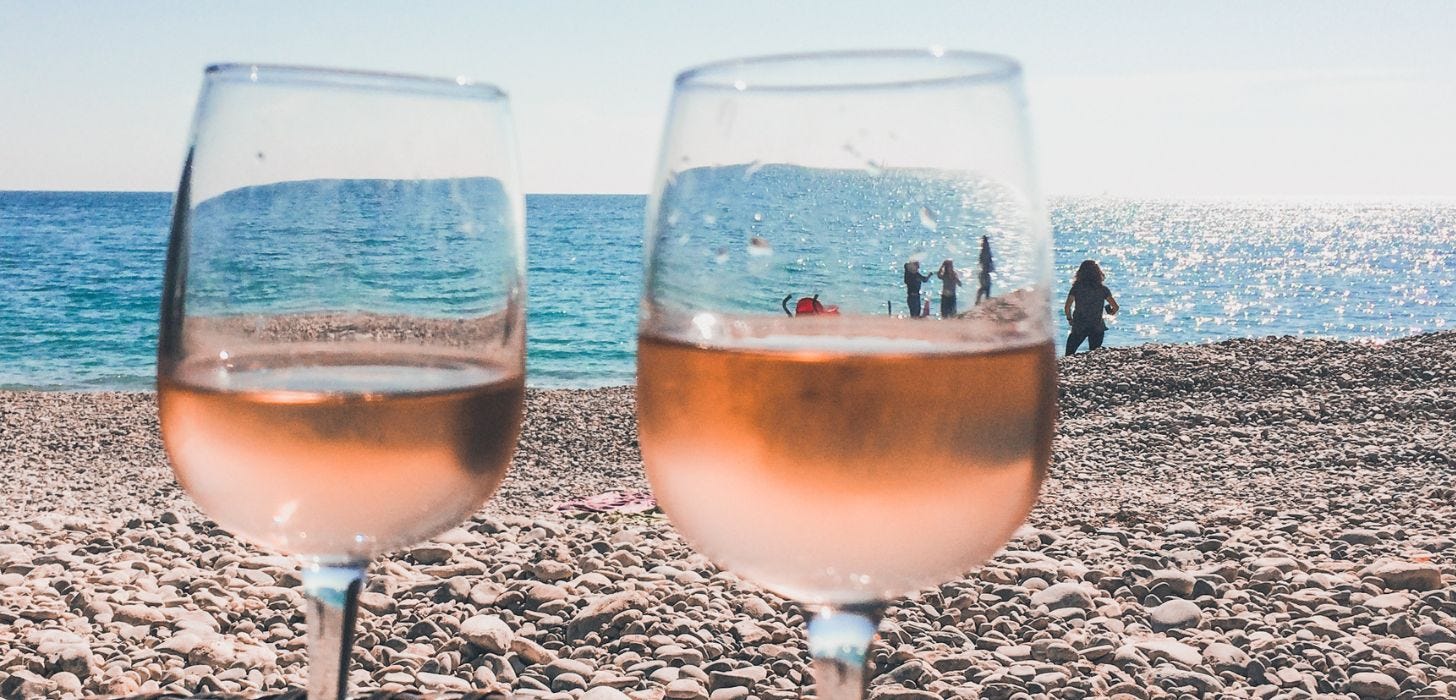
If there is one color with the power to set the mood, it is without a doubt pink.
As humans, we’ve evolved to trust in our eyes implicitly. We associate colors with expectations, smells, and flavors.
Watching Pink host the Grammy Awards reminded me of just how loaded the color can be.
Precisely because she—Alecia Beth Moore that is—exists in direct opposition to her musical moniker.
Think Pink
Say the word out loud.
Pop your lips and click your tongue. Pink. What comes to mind?
Bubble Gum. Ballarinas. Sweet. Pretty. Cosmopolitans.
Pink ranges from girly to girl power to breast cancer awareness.
Then there’s Pink herself, who refused to brand herself as a pop princess and rose (literally) to popularity on her own terms.
And then there’s rosé.
Europeans have been drinking pink since wine was invented.
Earliest evidence of winemaking surmises that grapes were likely fermented with their skins on and stored in porous amphora casks. This meant even the white wines most likely had an amber tone.
Rosé, rosato, rosado, and roséwein
Throughout Europe, rosé comes in all shades and styles.
From magenta pink, bold and spicy to sea salty, zingy, and almost crystal clear.
Provence rosé stands out for its signature pale salmon pink color and dry, mouthwatering finish. It’s less fruity than herbaceous, and even slightly savory.
Rosé is such a staple of the region, it flies off the shelves year-round.
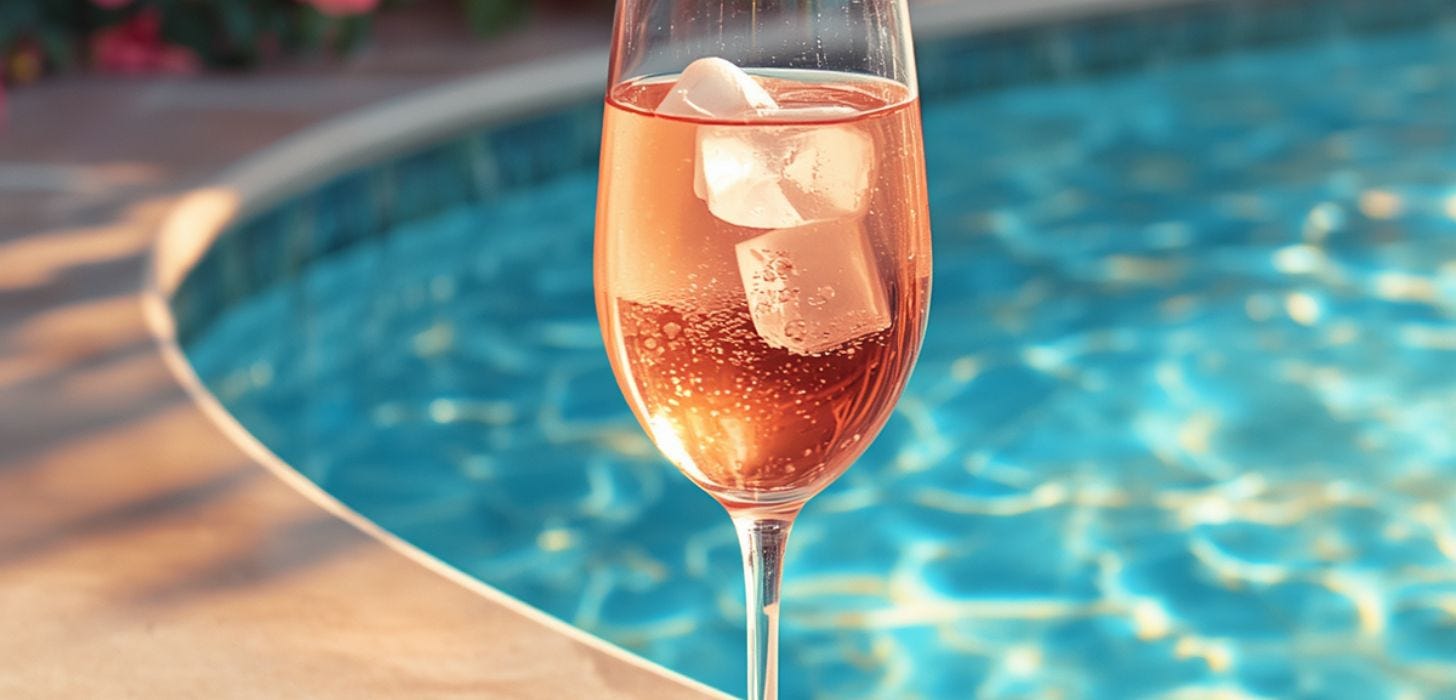
Rosé Piscine: A Little Pool of Pink
In summertime, rosé on the rocks is de rigueur.
Snobbery melts away with the sunshine, and the cheap stuff goes on ice.
The expression, rosé piscine translates to “pink pool” a reference to a generous pour of rosé and stacked with ice until it hits the brim.
If you’ve ever caught side eye for dropping a cube or two into your wine glass, consider rosé piscine, your permission.
Anti-Rosé Bias in America
For years in the USA, rosé wine was considered cheap and treacly.
During the mid-1970s, Sutter Home Winery attempted to produce a dry version of their signature big, bold red Zinfandal.
Instead, they turned out a batch that hadn’t fully fermented.
They released it anyway, and the deep pink, fruit-juicy wine became a shocking commercial success.
That mistake set the pace for Americans’ perception of pink wine for decades to come.
For wine aficionados, the so-called “White Zinfandal” was seen as cheap, sugary swill.
And just like that, all rosé wine assumed a collective identity as commercial crap.
Decidedly unsophisticated.
Pink Progress
Americans have a history of struggling with color bias.
But if we’ve learned anything from history, it’s that the heart of bias lies in our own insecurity and desire for superiority.
We want to be the best, so someone or something else must become the worst.
We can thank the French for finding a solution to our pink aversion. Merci!
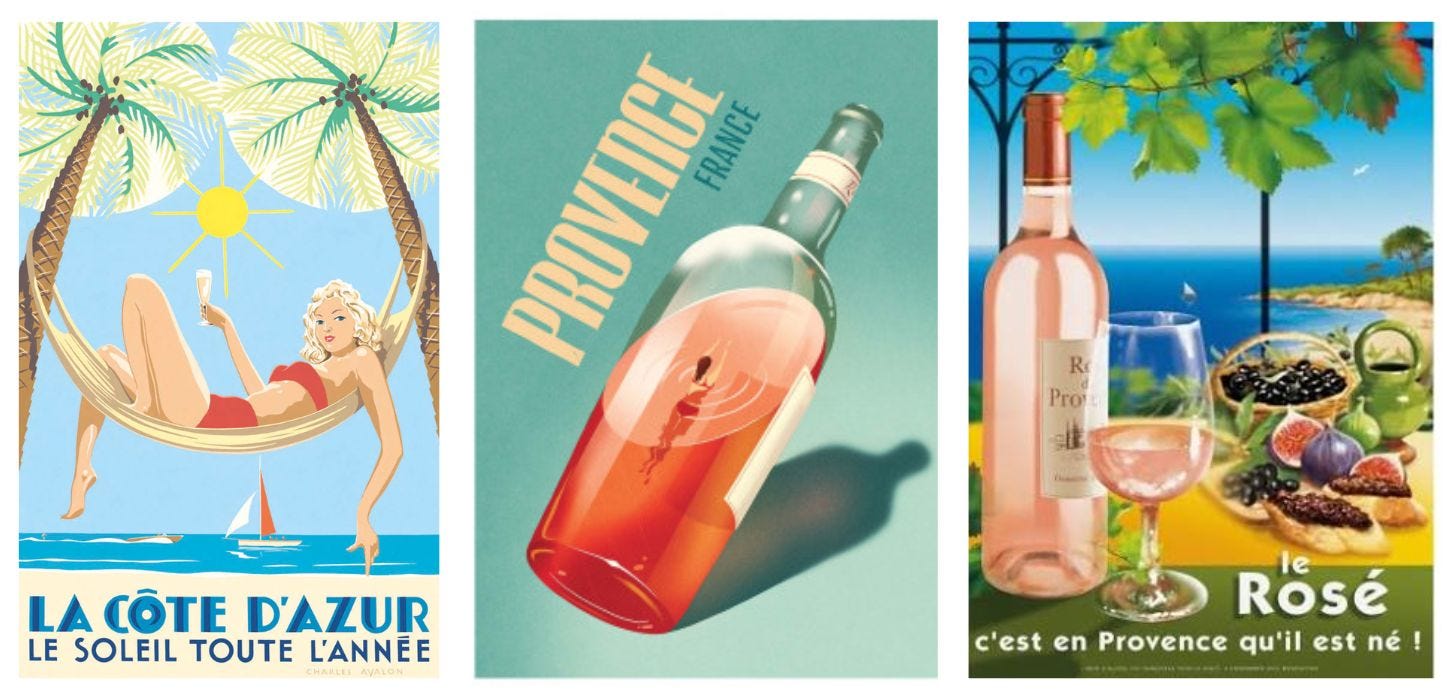
Master marketers in the 1990s rebranded rosé as an aspirational lifestyle beverage.
What’s more appealing than lounging on the Riviera, diving off a yacht, and dining seaside in Saint Tropez?
And, all of a sudden, rosé wasn’t the problem, the style was.
It was now okay to embrace pink wine, as long as it was the fancy one.
An appreciation for dry, pale, salmon-colored Provençal rosé signaled worldliness.
We altered our perception of pink wine. Why? Because it made us feel chic.
From there, the American marketing machine kicked in. We got rosé season, rosé all day, frosé, and even brosé.
Rosé tastes like summer.
That’s not just marketing.
Rosé season is collective association.
If you have rosé in enough summery situations, the scent and flavor, and yes—the color pink— carve out a spot deep in your brain.
It’s like muscle memory. Our scent and flavor vocabulary starts with memory and association.
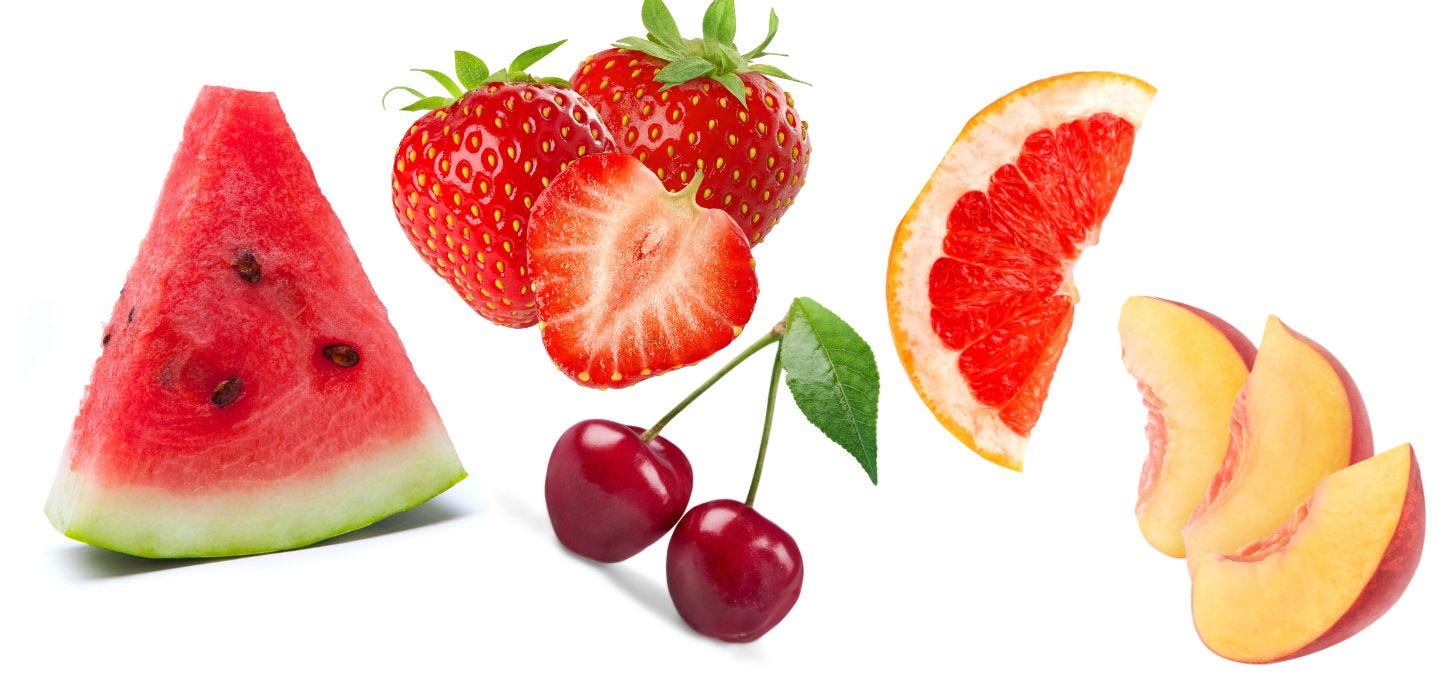
Rosé smells like summer.
This one’s real.
Notes of rosé wine are vast and varied, but the most common aromas are quintessentially summery.
To name a few: strawberry tops, ripe summer strawberries, cool water rinses raspberries, cherries, watermelon, grapefruit, citrus zest, sea spray, rocks after a summer rain, mediterranean herbs. The list goes on.

Rosé is here to stay.
Browse wine shop displays at peak summer for a dizzying selection.
Provençal still reins supreme, instantly recognizable for its color, elegantly shaped bottles including an iconic vase-inspired look made famous by Domaines Ott.
Deeper pink and textured Tavel, bold and bright Cerasuolo d'Abruzzo, sea-salt laced and spicy Salento Rosato, or Long Island’s own “Summer in a Bottle” (If you know, you know).
And if you still don’t love it, plop some ice cubes in there and close your eyes.
What the the first rosé that made you fall in love?