


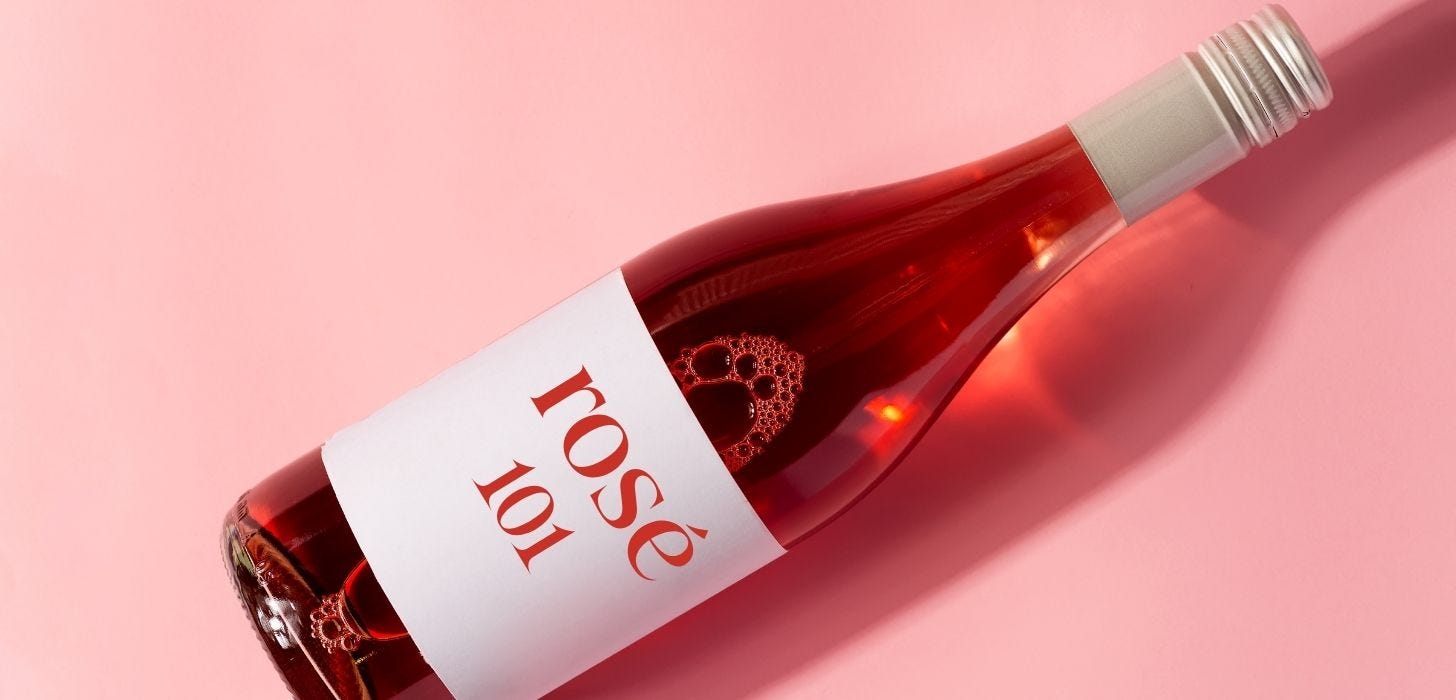
How Rosé is Made
These are the three most common techniques for producing rosé wine.
Direct Press
Crush the grapes with the skins for anywhere from 2-24 hours before filtering.
The longer the juice stays in contact with the skins, the bolder the color, aroma, flavor, and texture.
Saignée Method/ Metodo Sangrado
Crush red grapes with their skins briefly. “Bleed off” a portion of the pink juice from the tank, and ferment that juice separately as rosé wine.
Blending
As it sounds, these rosés result from a blend of white and red wines.
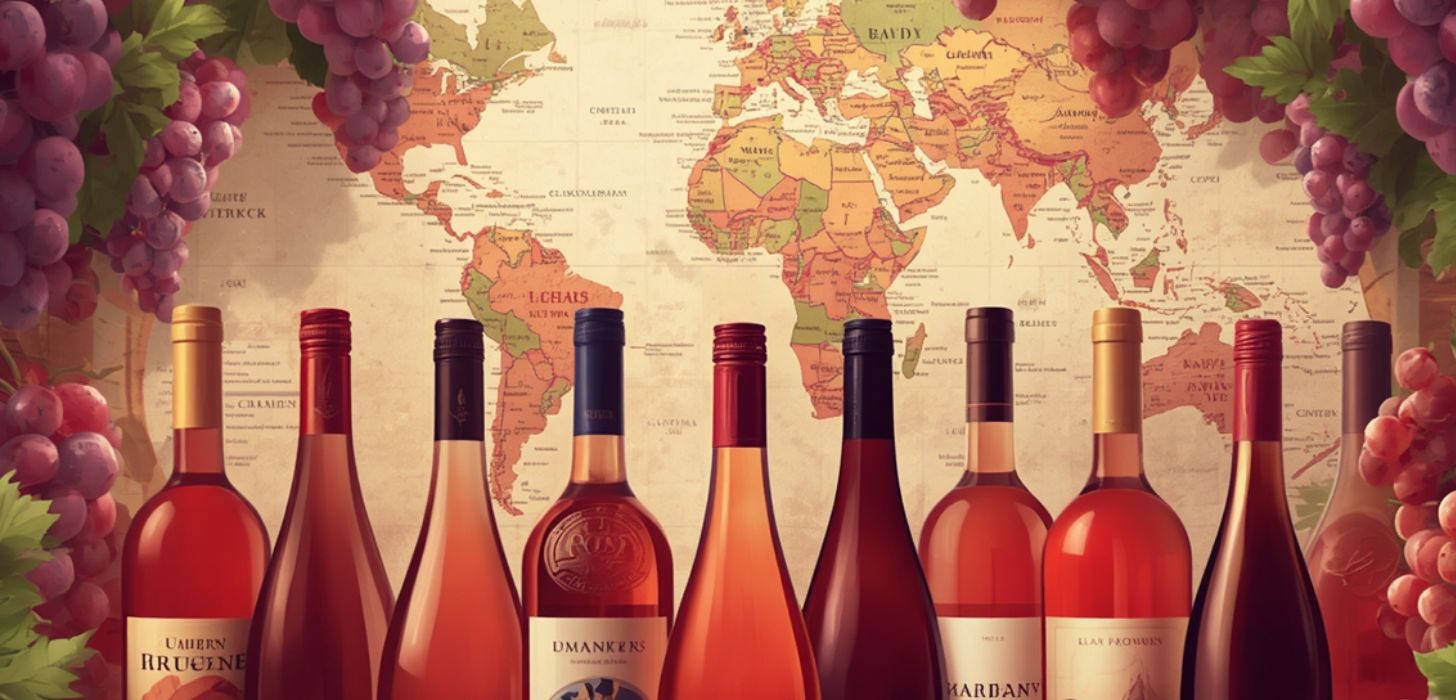
Rosé ‘Round the World
Rosé is incredibly diverse!
Here’s a handful of places, appellations, and styles to check out.
Provence, in southern France, is practically synonymous with rosé. Provençal rosés use the same grapes as Rhône Valley reds: Grenache, Cinsault, Syrah, Mourvèdre and Carignan.
The most iconic and widespread style, Côtes de Provence, is known for its pale salmon color and mild notes of red berries, Mediterranean herbs, and touch of sea spray.
Bandol utilizes more of the Mourvèdre grape in the blends (often, but not always) resulting in a more structured and ageable rosé. They’re great young and fresh, but also hold up in the cellar, and alongside more complex cuisine.
Tavel rosés defy Provence’s pale pink stereotype.
They’re also made with Mourvèdre, and instantly recognizable for their magenta pink color and correspondingly bold aromas and flavors. Think: blackberries and black cherries, balsamic herbs and even a touch of spice and leather.
Cerasuolo d’Abruzzo (Italy) From cerasa (”cherry” in the local dialect).
It’s made with Montepulciano, the region’s beloved big, juicy, red variety. Expect deeper floral notes (purple, cola, green-tinted violet) and an energetic, juicy texture. These wines are chewy. They’re also great with food.
Etna Rosato (Italy)
The volcano has never felt so fresh! Wines that grow atop Mount Etna thrive on fertile soils and lava-laced rain. The principle grape, Nerello Mascalese is muscular and savory, with dark fruit notes and a never-ending mineral finish.
As a rosé, you get bright acidity, smoky and volcanic notes, and a blast of young berry aromas.
Rosato di Salento (Italy)
Rosés from the sun-drenched heeltap of the Italian bootheel are bold and filled with ripe fruit notes and spice. Made from Negroamaro, Primitivo and Malvasia Nera grapes, they’re still dry and finish with a blast of sea-salty minerality.
Loire Valley (France) makes rosé from Cabernet Franc, Pinot Noir, Gamay and a local grape, Grolleau. These range from pale pink and light in structure to deeper and juicier. Rosé d’Anjou, for example, is sometimes slightly off-dry. Keep that in mind if you prefer a sweeter, smoother style.
Rosé from Pinot Noir
Everybody loves Pinot Noir!
Sancerre Rosé and wines from Oregon exude wild, strawberry and fresh cherry. Pinot Noir’s earthiness still comes through, as does its prim tightness and pretty fruit.
Greek rosé may seem niche, but it’s on the radar for rosé-lovers in the know. Read more about Greek wines here.

Look for Nemea, a sunbathed, mountainous region in Greece’s central Peloponnese. They’ve been producing rosé for ages from their indigenous red variety, Agiorgitiko.
They’re immensely fruity and floral with a snappy finish.
Further north, Xinomavro—a fascinating grape with Nebbiolo and Pinot Noir-like qualities produces steely, bright, herbaceous rosés.
Notes of Rosé
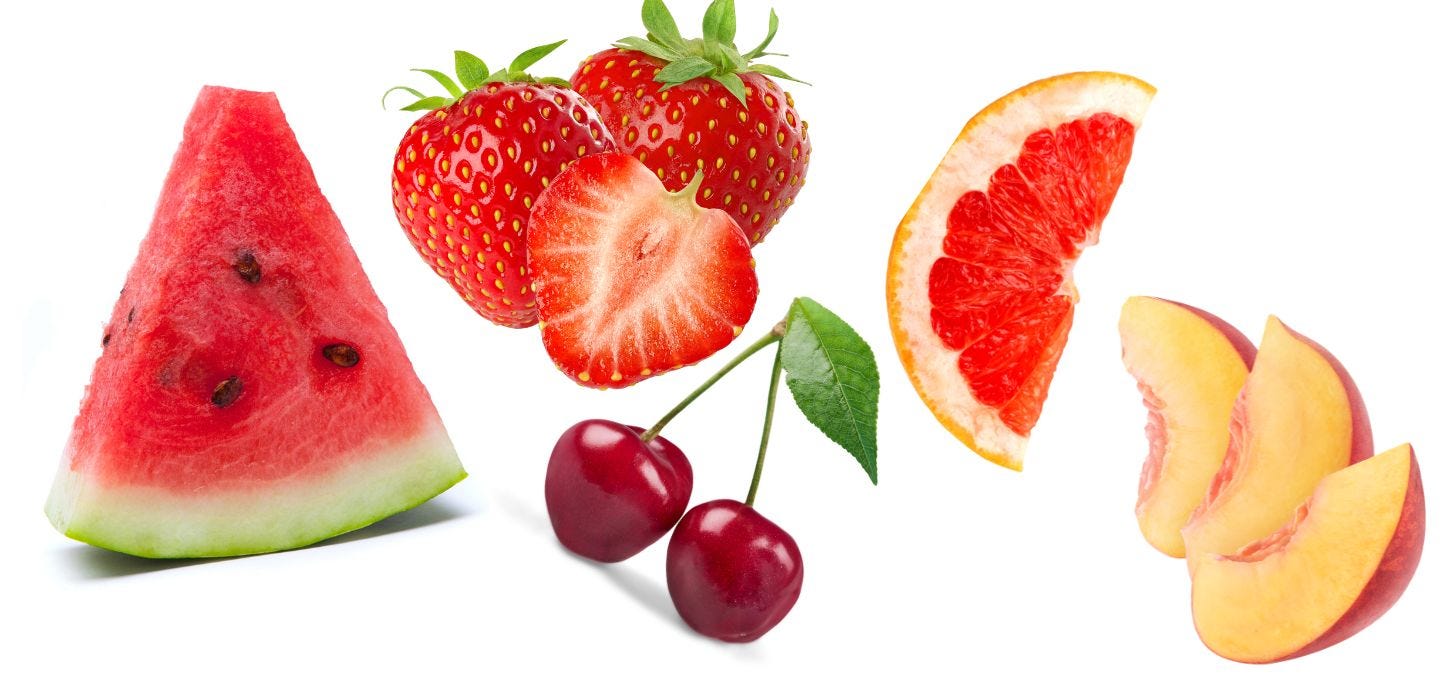
Rosé comes in so many styles there’s virtually no end to the list of possible notes you’ll find. The most common ones correspond to the season: summer fruit, wild herbs and flowers, and sea breeze.
Here’s a more exhaustive list. Have fun sniffing them out!
Strawberry tops
Ripe summer strawberries
Cool water washed raspberries
Cherry
Watermelon
Grapefruit
Citrus zest
Mediterranean herbs (fresh and dried)
Wild flowers
Dried flowers
Flower petals, especially rose
Peppery peony
Ginger
Sweet spice
Honey
Sea spray
Wet stone
Pumice
Rosé Wine and Food Pairing
Rosé is incredibly versatile, which makes it fun and easy to pair with food.
Keep in mind that the richer the hue, and the bolder the aromas and palate, the more your wine will match up with more complex flavors.
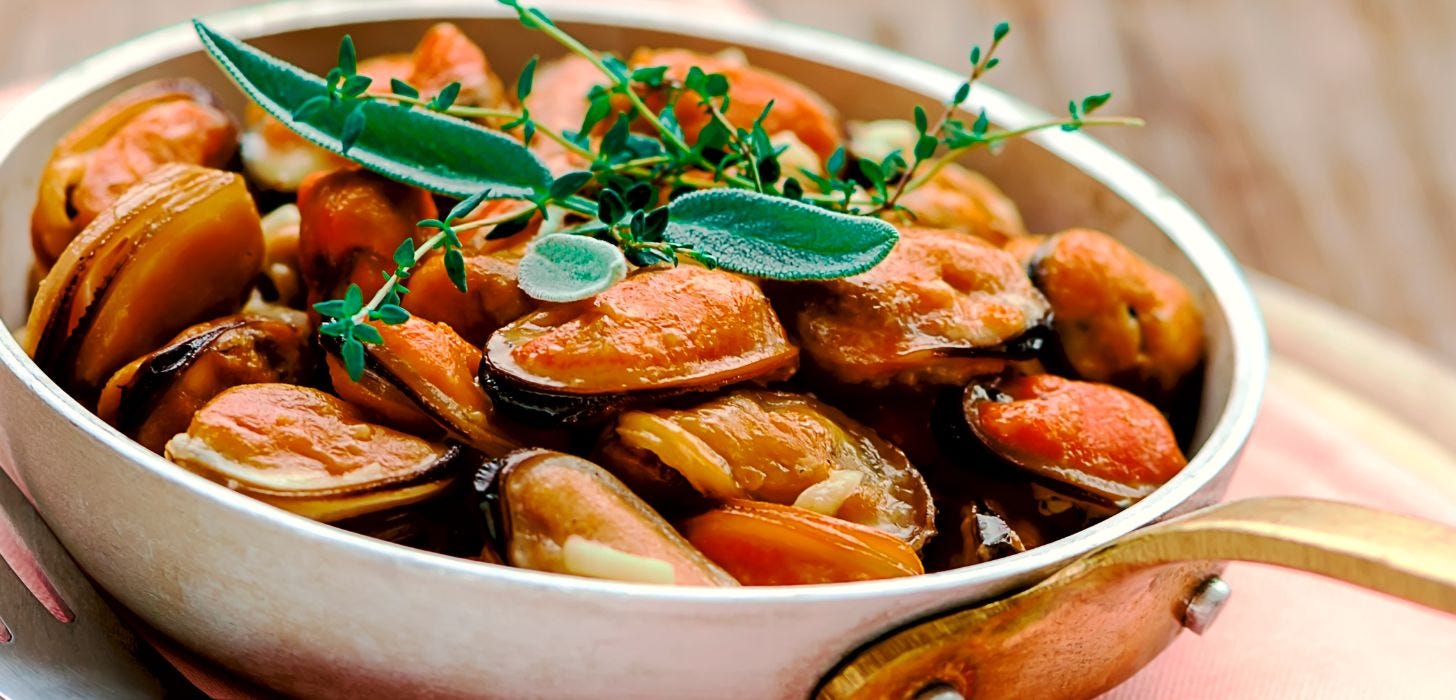
Sautéed Mussels
A Provençal classic! Tomato sauce and herbs like bay leaf and sage give this dish just enough power to pair up to a bright and juicy rosé.
Salmon and Tuna
Both of these fish work with rosé, for its brightness and acidity. Keep the seasoning to a minimum, as both tuna and salmon have a lot of personality.
Once you go bold—for example, Sicilian style olives, capers, and tomatoes, you’re dipping your toe into red-wine territory. Otherwise, choose a rosé with more body.
Rice and Grain Salads
The combination of crisp veggies and seafood, and even cheese, with earthy grains is pink wine-pairing paradise!
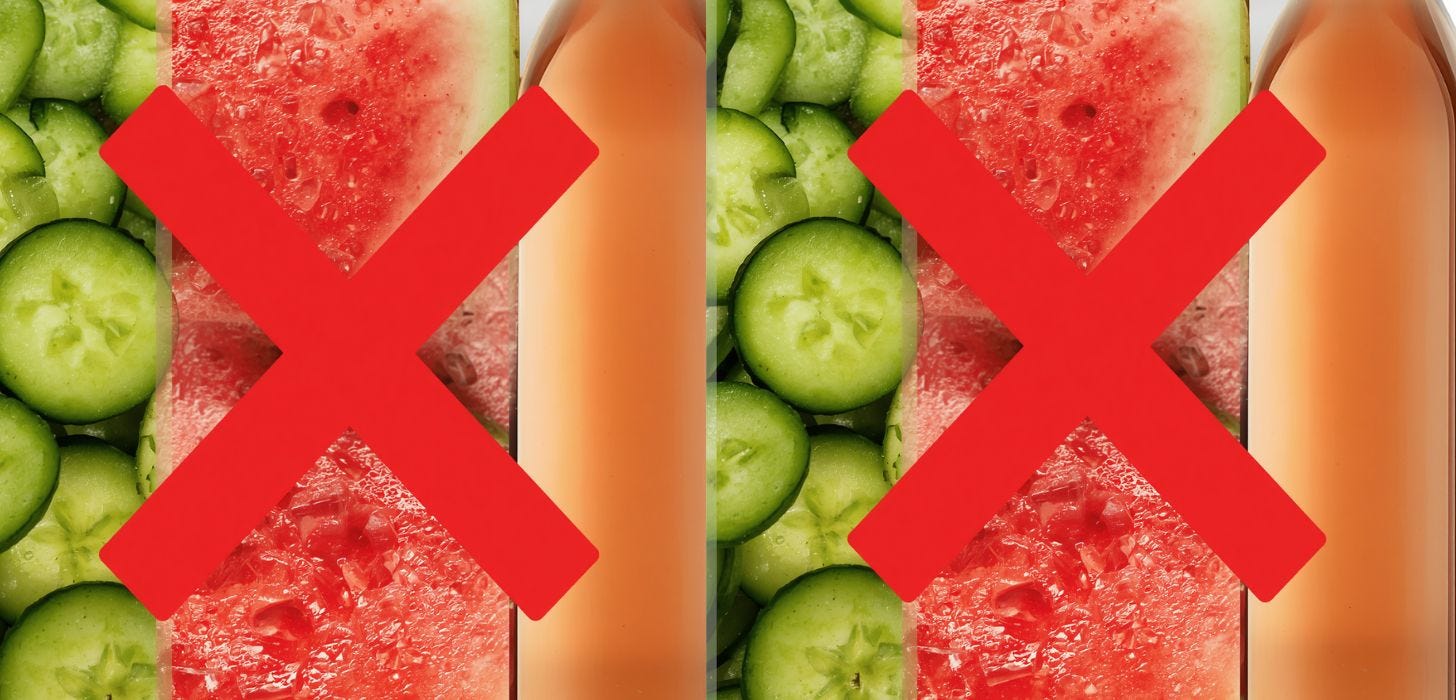
What NOT to Pair with Rosé
Wine pairing is an art and a science, but it should also be fun. The only absolutely horrible pairing seems counterintuItive.
Watermelon and Cucumber
They’re both members of the cucurbit family, super summery and refreshing. The only problem is their lingering bitterness at the back of your palate. It will clash with rosé, and most wines actually.
If you’re determined to have your Greek salad, or your watermelon and feta, choose a softer, smoother, sweeter style of rosé, like Anjou.