


I didn’t expect vision, or the lack of it, to emerge as a theme in 2026.
It’s been a momentous year so far, filled with victories.
Each one brings with it a new set of challenges immediately following the Champagne cheers.
I signed a book deal with a small press. Yay!
That’s one mountain scaled, with a whole mountain range ahead: promotion, sales, platform-building. Stay tuned (please!).
I bought an ancient apartment after a six-month saga that could become its own book.
All that’s left is to renovate it, furnish it, and update anyone who still sends me letters. The first two come with moveable goal posts. The last one’s easy. I can count them on one hand.
I am reminded that moving is all that matters.
How far forward and in how much time, cannot be determined.
Good thing I run marathons.
I’m settling into a life that is largely (finally) here in Rome.
I’m rearranging my professional priorities while trying not to neglect what (and whom) I’ve left back home.
The next step is to ship books and music and furniture and photos across the sea so I can surround myself with the material evidence of my home and my history, (and a very nervous cat named Jack Bauer).
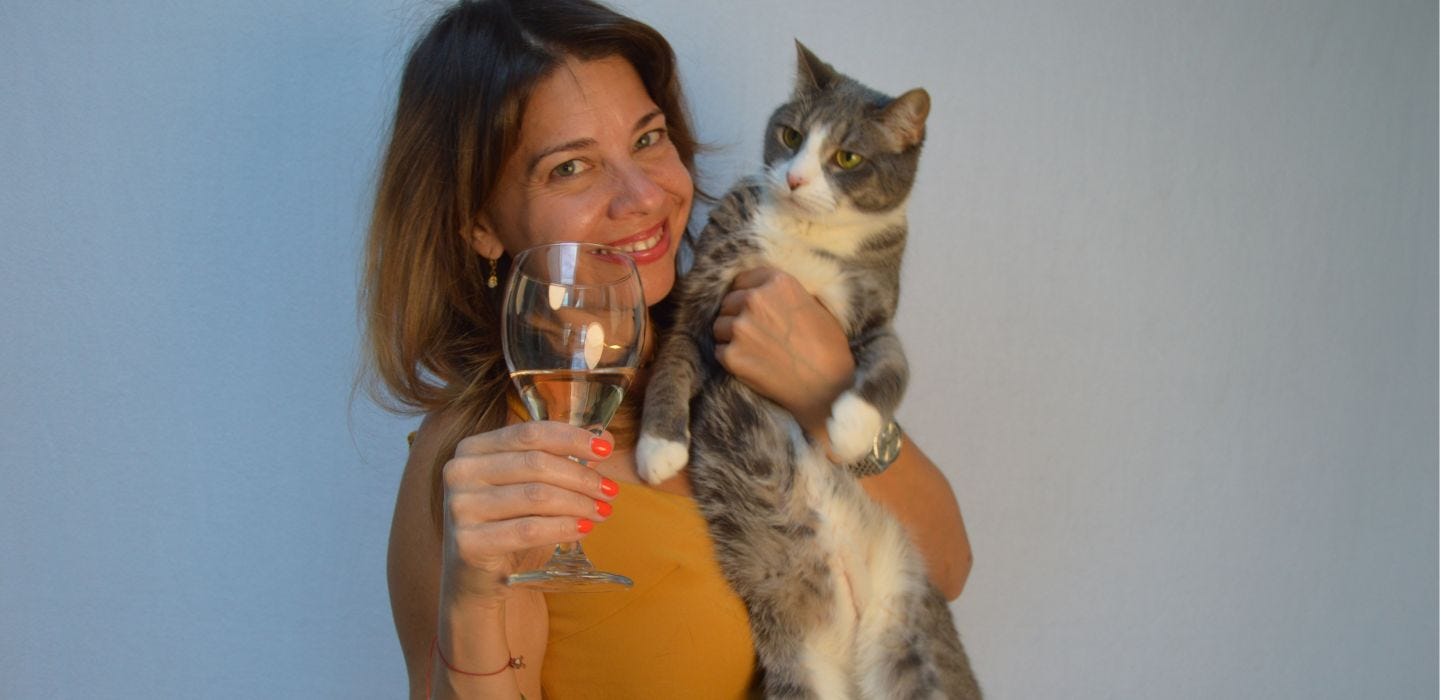
I chose to operate on my eyes amid all of this.
Why?
As I build and build, the creeping sensation that everything could crumble looms like a constant shadow, despite the shifting sun.
I figure I may as well eliminate one obstacle indefinitely.
I’ve worn glasses since second grade.
I don’t remember what it’s like to wake up and read the sky. My prescription spoken out loud makes people gasp.
Just recently, halfway into a 10K run, a contact lens fell out of my eye.
I spent the rest of it winking at strangers and trying harder than usual not to get hit by a car.
When catastrophe strikes, I’ll waste no time scrabbling for my eyeglasses on the bedside table or digging up extra contact lenses and eye eyes drops from all the places I’ve stowed them, for just such emergencies.
On June 3rd I had permanent Collamer lenses implanted in my eyes, just behind the iris.
The entire procedure took fifteen minutes.
The second I stood up from the table I could see. For the next hour, I watched a sign down the hall come into focus.
By the next day I was watching rooftops as if for snipers and examining the shapes of individual leaves on trees.
My new bionic eyeballs are healing beautifully.
As I look around my life with technicolor clarity I realize how much I’ve been missing, but also how vision affects our perception of just about everything.
What you see is what you get.
As humanity raced toward modernity, we abandoned our sense of smell—our most primitive and intuitive sense—for sight.
Unlike so many animals, who navigate the world in what we might consider a black and white blur, we are unable to find our way home in the pitch black.
We judge beauty, familiarity, and cleanliness on appearance first and foremost.
A room must appear clean.
Spend enough time in short-term rentals, and you learn to pick up on the scent of sweat-imbued sheets (the inside of a baseball cap) and the acrid sweetness of a broken-in kitchen under a veil of cleaning solution (rotting fruit, vinegar, Windex).
Sight is only one sense.
In a poetic stroke of irony, a few months before my surgery, I became friends with a man who lost his vision completely in 2018.
READ HIS STORY

Luca Boccoli, one of Italy’s preeminent sommeliers, survived a motorcycle crash and a coma. When he awoke and discovered his condition, he had a choice to make.
As he tells it, he chose to live.
He’s since opened restaurants and wine bars in Rome, Milan, and Torino, and created his own twist on the truly blind wine tasting.
Degustazione al Buio, literally, ‘Tasting in the Dark,’ begins with a blindfold.
Participants engage all their senses, minus one. While wine is poured into glasses, accompanied by music and a short poetry reading, Boccoli invites them into his world, guiding the process of olfactory impressions and unlocking of sense memories.
Tasting in the Dark
Luca and I both trained at the Italian Sommelier Association. We learned the steps of the multi-sensory evaluation of wine.
It begins with observation.
To the trained eye, color, consistency, and effervescence are not only indicators of quality and providence, but portals to pleasure.
A glinting, crystalline white gold portents aromas and flavors to come.
When the wine delivers searing brightness on the palate, notes of tropical fruit, and a rush of mouthwatering minerality, it’s like a promise kept. We feel safe. Gratified.
Smell Unseen
What happens when you can no longer see what’s in your glass? When you can no longer see at all?
One of my favorite topics: neuroplasticity!
We can build new brain pathways until the day we die. This fascinates me to no end.
I love language learning. I speak a few.
When I began studying wine, I realized that we learn to identify aromas in the same way we learn languages.
There’s a primitive brain-building function whereby we learn to identify objects with feelings and sensations with words.
It’s why mama is so often our first.
We build emotional connections and make memories. This imprints the words on our brains, deep within the amygdala.
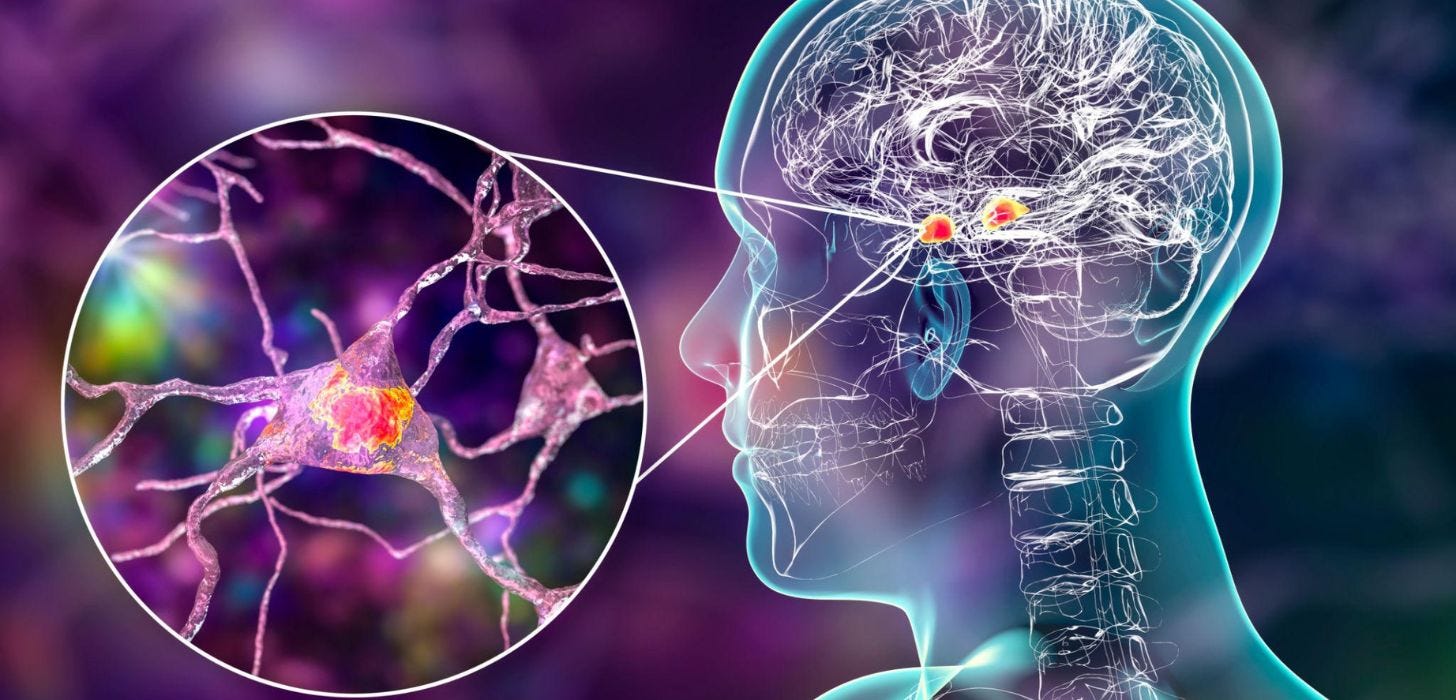
Sometimes called the “lizard brain,” the amygdala is our primitive, instinctive, fight or flight response system.
Smell works in the same way.
It happens subconsciously at first. We take it for granted. When we smell smoke from something burning, we know to look for the source.
When we step inside our homes at night, we know where we are before turning on the light. We remember the scent of familiar homes forever because we spent so much of our lives inside them.
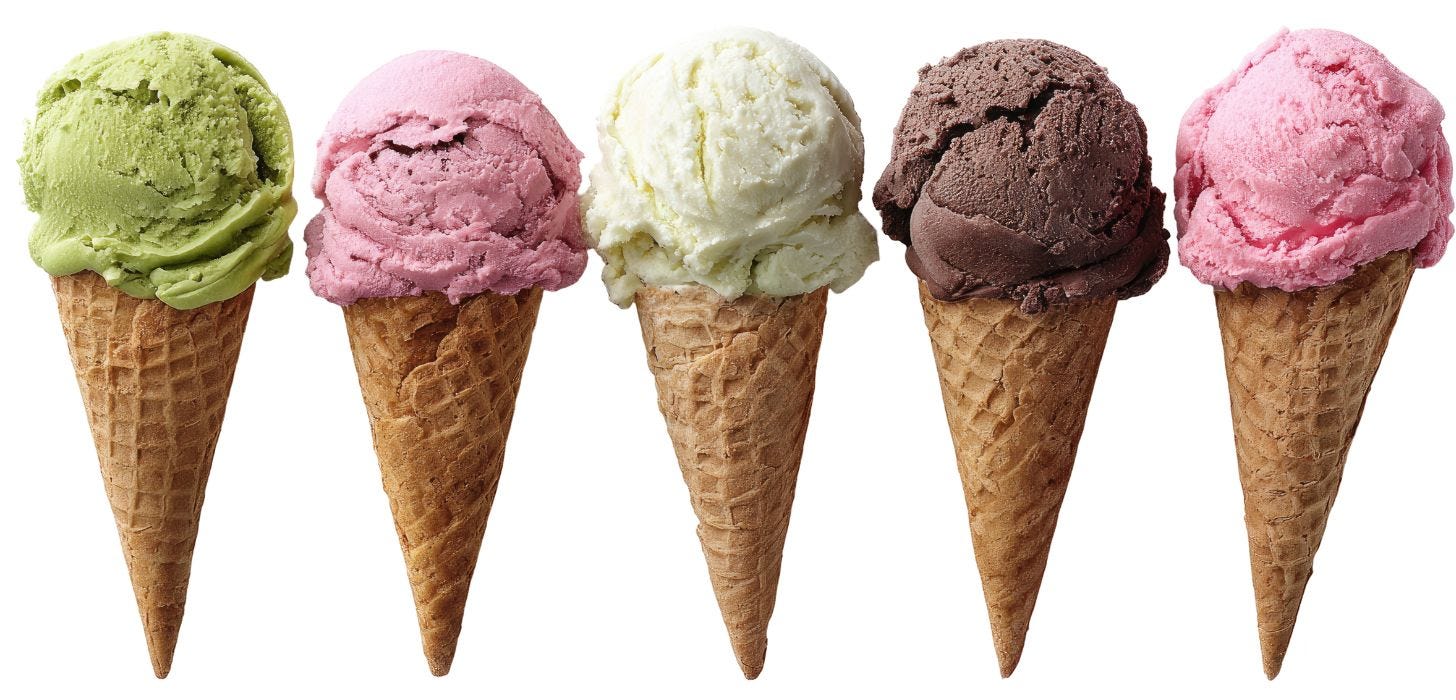
We also learn to associate smells and flavors with colors.
Vanilla. Chocolate. Strawberry. White. Brown. Pink.
Red spans cherries and all the red berries first. Red Jolly Rancher, anyone?
Green is grassy, herby, minty, and fresh.
I don’t smell color.
When your remove sight from the wine-tasting process, it becomes an aromatic meritocracy, an olfactory free-for-all. Scent takes over, flavor pops.
All of a sudden were faced with scent memories and flavor associations minus our sight bias.
Luca Boccoli’s events, the journey concludes as participants share their thoughts before and after removing the blindfold, to surprise and delight.
With the lights on, nothing is as it seemed.
In a way, we’re truly tasting wine for the first time.