


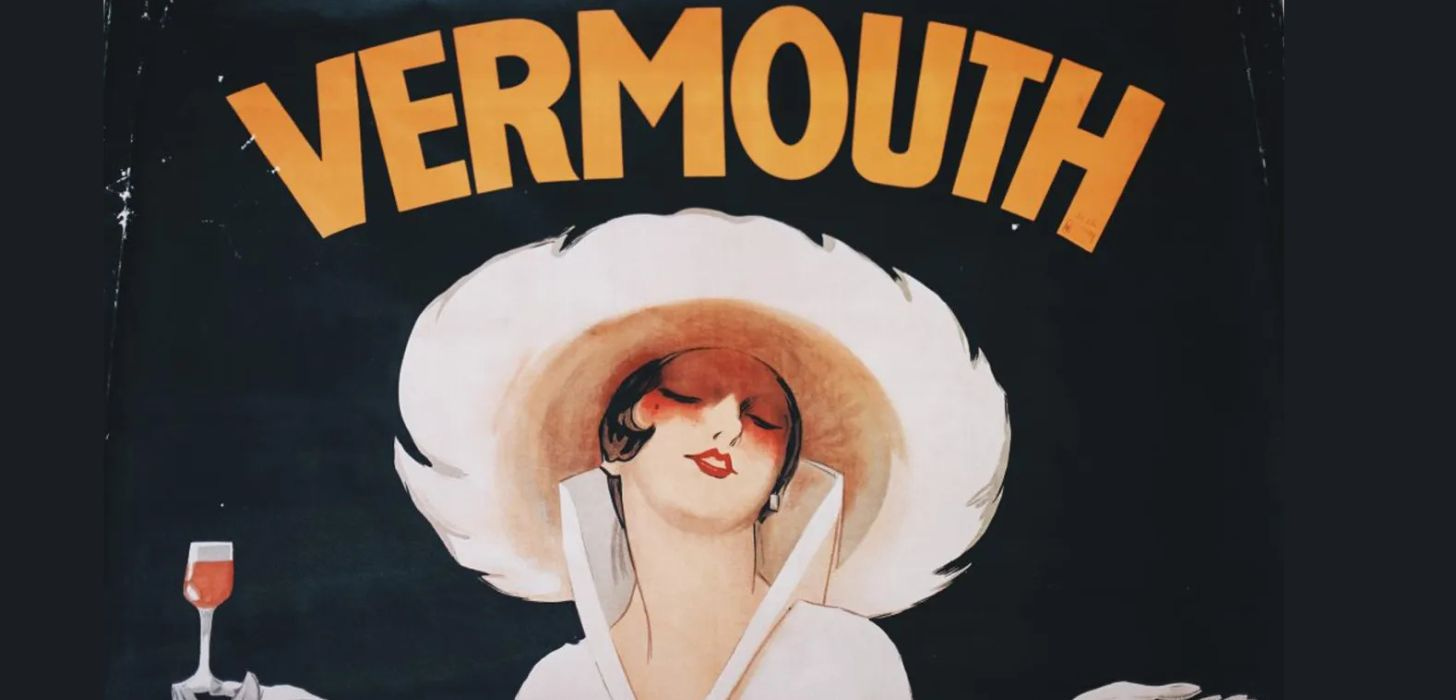
Far more than a Martini mixer, vermouth deserves a solo in the spotlight.
The aromatized and fortified wine is a scent and flavor sensation. Born in Torino, it went on to conquer palates worldwide.
If you love to unravel the aromatic threads of wine and amaro, add vermouth to your repertoire immediately.
What is Vermouth and How is it Made?
A modern iteration of an ancient technique—Greeks and Romans infused wine to extend its shelf life, make it more palatable, and to aid in digestion—vermouth fits neatly into Italy’s gastro-historical timeline.
It’s made by infusing wine—almost exclusively white wine—with herbs, spices, and sugar (depending on style).
After infusion and filtration, the wine is fortified with a neutral spirit to extend its shelf life.
Vermouth rarely surpasses 20% ABV, which makes it a delight to sip neat or on the rocks.
A key ingredient of the original 1786 recipe made famous by herbalist, Antonio Carpano, was wormwood (artemisia absinthium).
It’s called wermut in German, which likely explains the how vermouth got its name.
Known for a whole host of medicinal properties, wormwood (which is actually a flowering plant) has been used for centuries, and most famously in modern times as a main ingredient of absinthe.
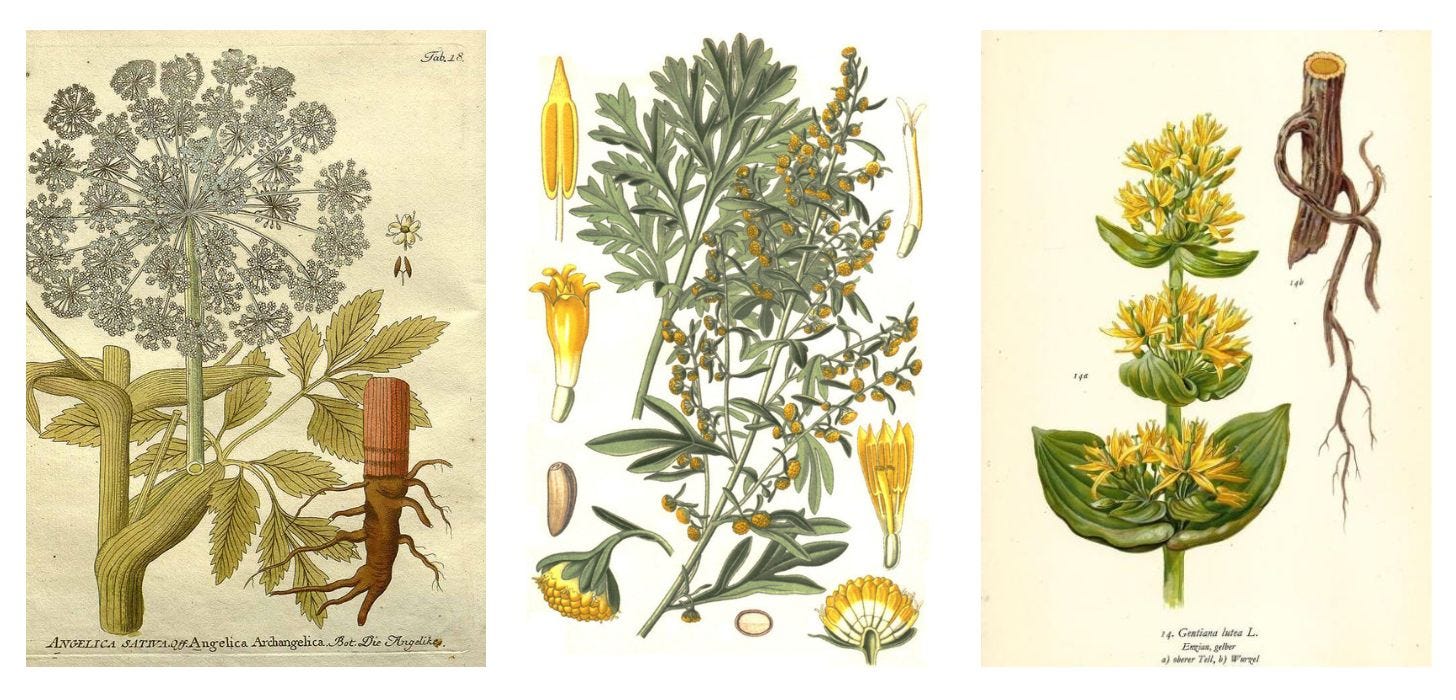
Other traditional ingredients include: bitter and earthy gentian root, cola-like and bitter cinchona bark, piquant angelica root, juniper berries, orange and lemon zest, savory herbs like thyme and marjoram, cinnamon, cloves, cardamom, nutmeg, lavender, elderflower, and vanilla.
The ingredients ultimately determine the color: rosso (red) or bianco (white).
As a rough guide, expect white vermouth to be more on the herbal side, while red contains more citrus (bitter orange especially), aromatic barks, and baking spices.
Imagine pumpkin-spice Campari, but more elegant.
Carpano didn’t invent the concept per se.
He gave it a name, bottled it, and sold it in his shop as a pleasant aperitif with health benefits.
The aperitivo ritual was already baked into Torinese culture.
22 Reasons to Visit Torino

Baroque and bedazzled, the one-time capital of the House of Savoy, Torino is buzzing with art, culture, industry, and incredible food and wine.
Carpano’s slightly sweet wine with its digestive properties, served with a dash of soda water soared in popularity.
Before long, vermouth became society’s pre-dinner sip of choice.
Swarms of competitors followed. Each one attempting to outdo the complexity and flavor profile by experimenting with different herbs and spices.
Cinzano, who was already in the distillery business, jumped on the vermouth bandwagon, along with Fratelli Branca out of nearby Milan, made a name for themselves in similar herbal-driven spirits.
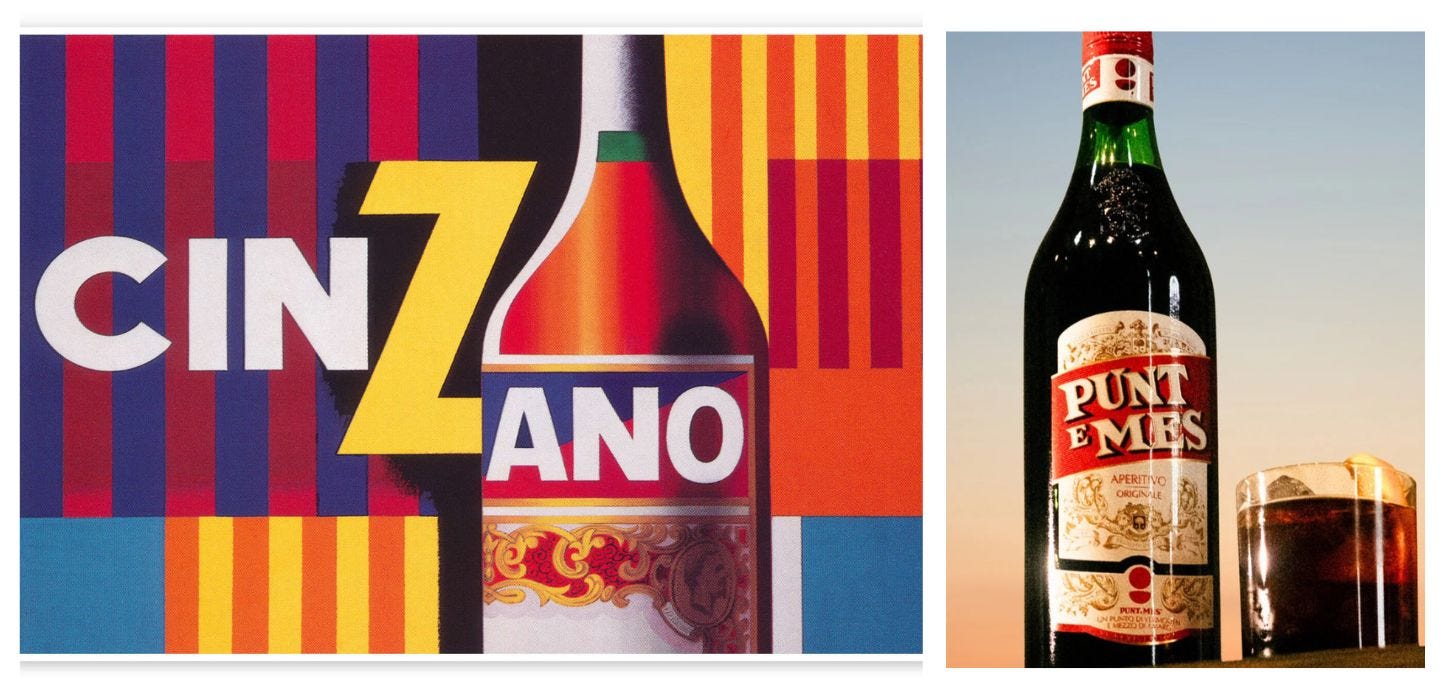
Cinzano is one of Italy’s oldest household names.
They also produce a red vermouth called Punt e Mes. It’s Piedmontese for the Italian punto è mezzo, which means one and a half.
The wine, cocktail, and even culinary (think chocolate chip cookies and tart tatín) world is full of happy accidents.
Apparently a customer ordered one part sweet vermouth with a “half a point” of bitter amaro, as in a 2-1 ratio. Cinzano saw the potential and whipped up a recipe.
Martini (of the eventual Martini & Rossi) took their own branding to the next level. Think of Martini as the Aperol of yesteryear. They sponsored events and advertised boldly and incessantly.
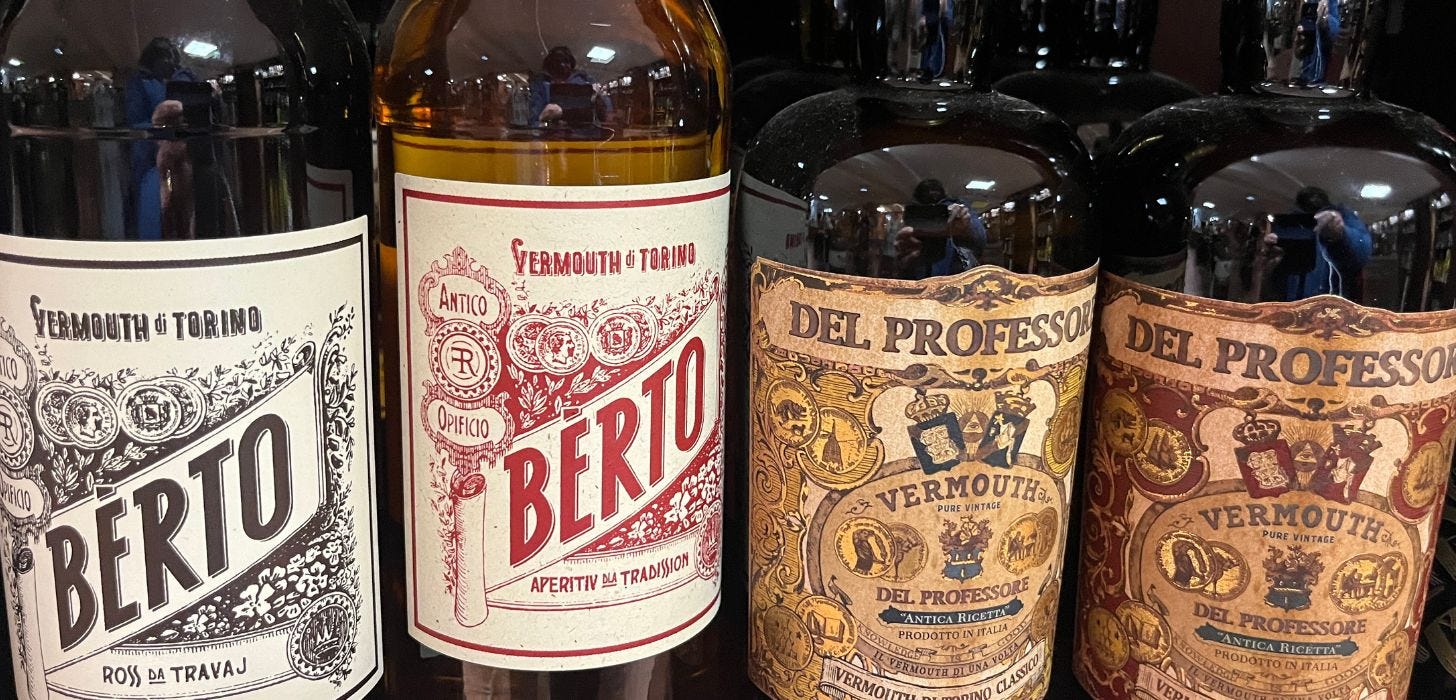
Artisanal production exploded.
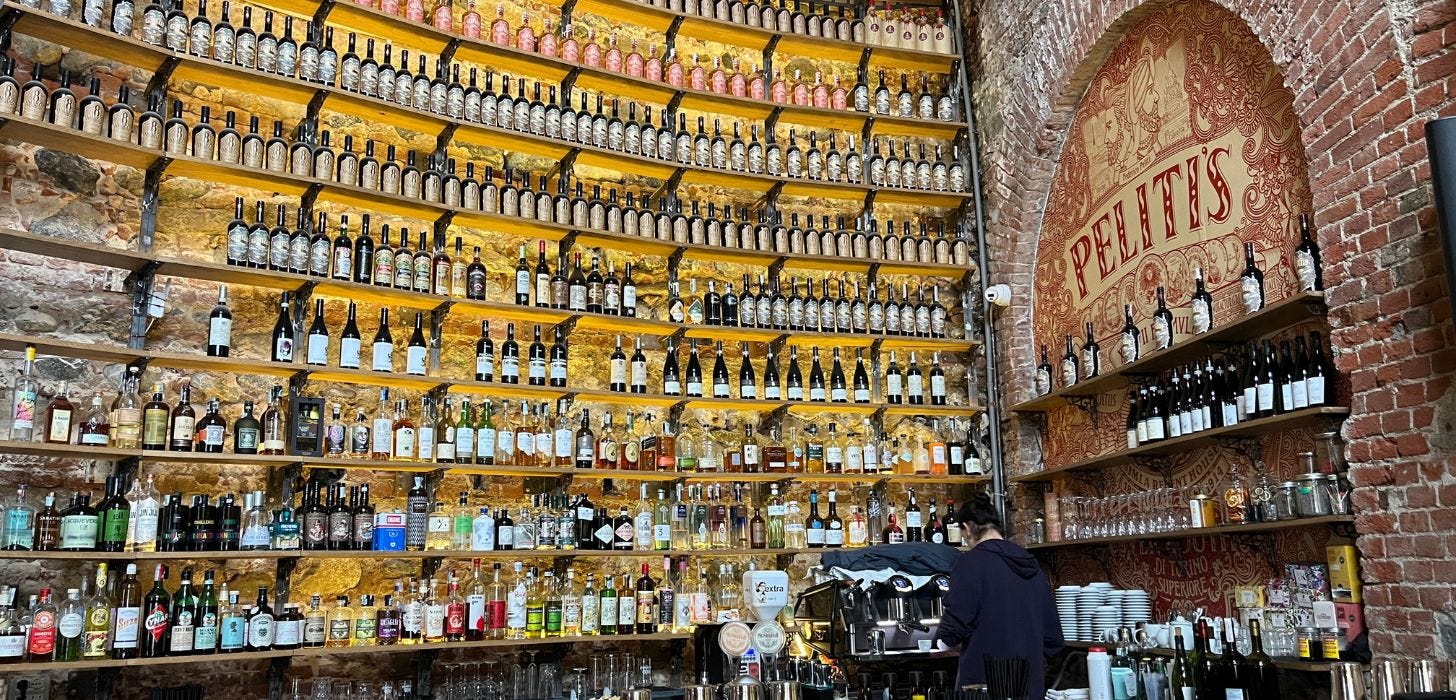
To this day, there plenty of small and lesser known vermouth producers worth tasting and building a small collection. Many have fascinating tales of how they approached their signature herbal blend.
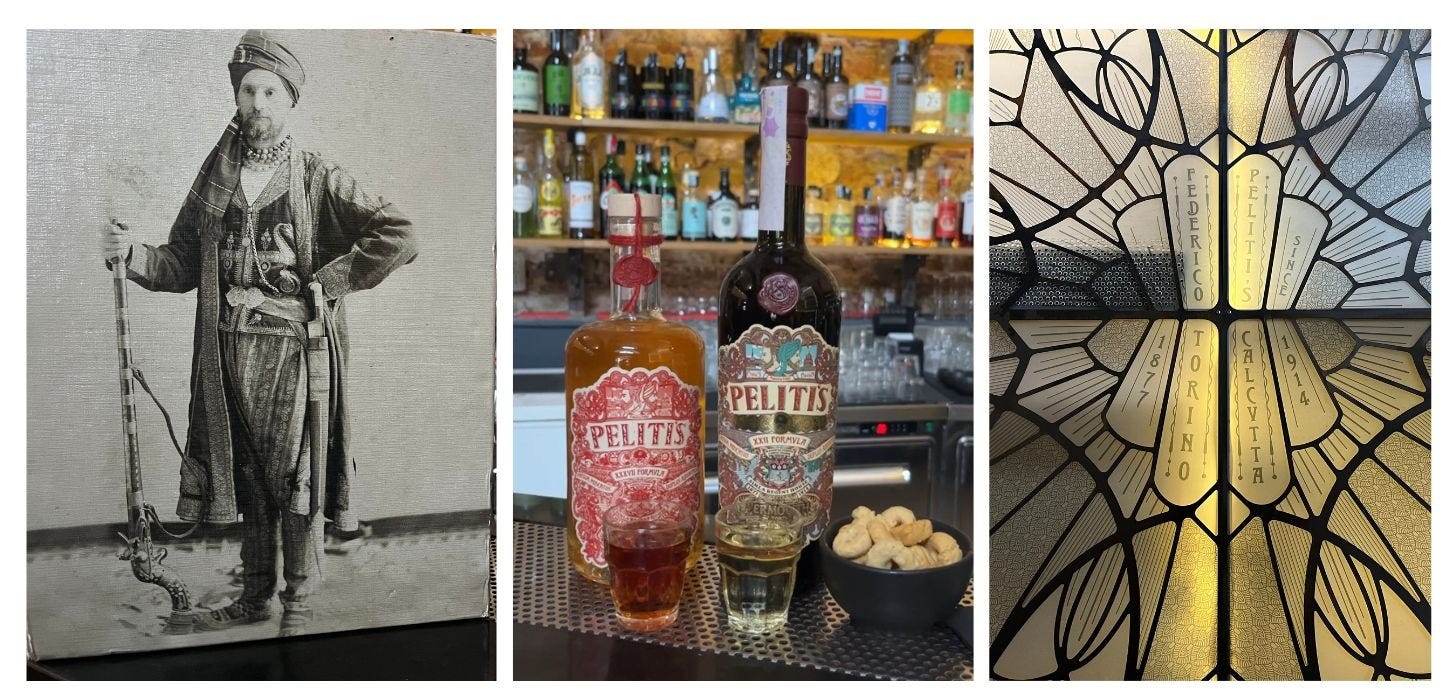
Peliti’s white vermouth, for example, is an ode to creator Federico Peliti’s beloved India.
The sculptor turned cake decorator and culinary renaissance man spent much of his career in service to the royal courts of British India. While there, he opened a restaurant and grand hotel, and launched his original vermouth recipe.
In Peliti’s Vermouth Bianco (white vermouth), notes of cumin and cardamom spread across a lush and floral palate that begins with richly aromatic local Moscato wine.
Vermouth Goes Global
What blew up in Torino soon spread beyond the borders.
Word spread throughout Savoy territory in the French Alps, particularly in the region of Chambéry and later in the South of France.
Joseph Chevasse of Dolin, and Noilly Prat are known as France’s vermouth pioneers, who also drove a drier of vermouth with less sugar added.
Spain followed suit. Aromatized wines like vermouth were a natural extension of Spain’s oxidized, fortified sherry.
How to Drink Vermouth
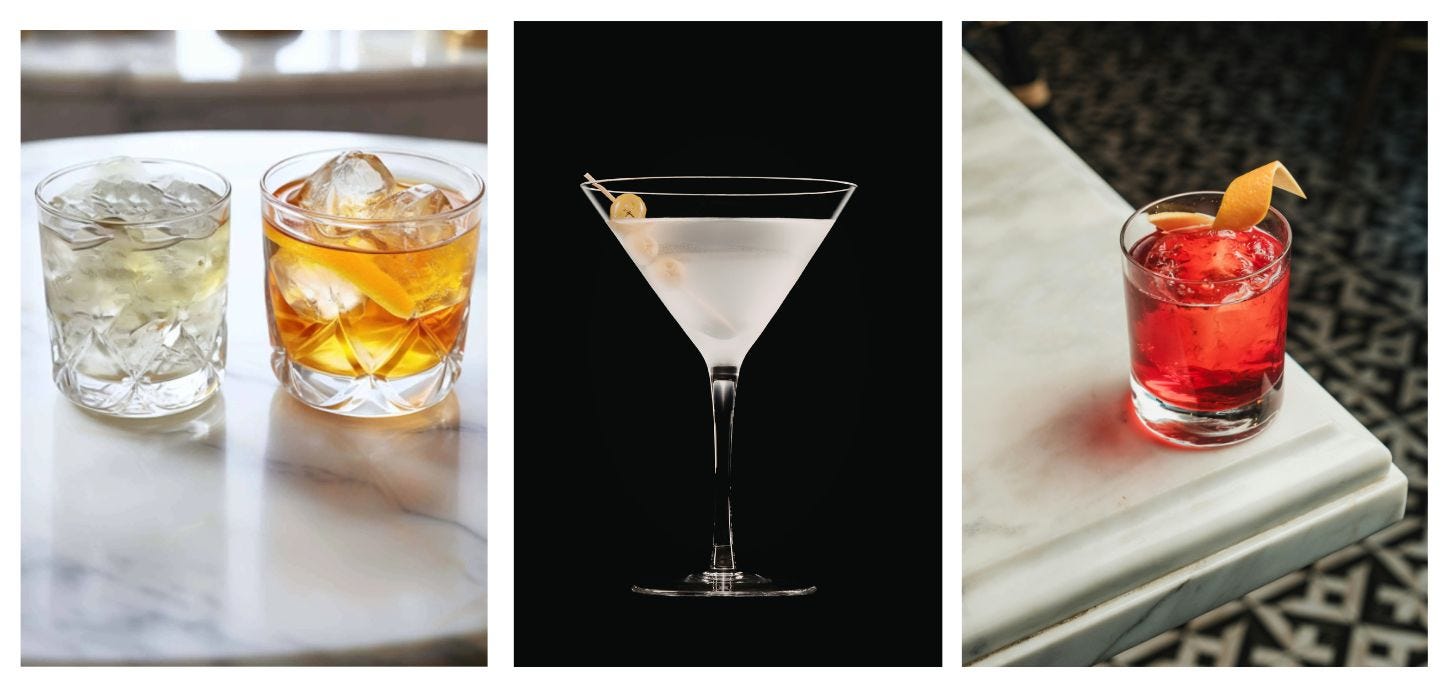
Vermouth is best served well chilled, neat or on a few rocks.
Garnish white vermouth with a lemon twist and red vermouth with orange.
Top it off with soda for an extra refreshing spritz-like aperitif.
The Milano-Torino combines the two cities’ signature infused aperitifs into one. Mix equal parts Campari and red vermouth. Serve chilled, over ice and garnish with orange.
From Mega Hit to Mixer
Along the way, Vermouth was demoted from popular sipping spirit to a humble, albeit indispensable ingredient in iconic cocktails like the Martini and the Manhattan.
This happened for a few reasons.
For one, vermouth is fortified, but it’s not high enough in alcohol to remain shelf stable.
In fact, I recommend keeping your bottles in the fridge.
Stale vermouth loses its vibrant aromas and brightness on the palate.
Bartenders eventually stopped pushing it, and aperitif culture in general took a back burner to the rising popularity of gin, whiskey and vodka and modern mixology.
As the classic cocktails evolved, a failproof pattern emerged: distilled spirit (like gin or whiskey) + vermouth for silky balance and aromatic complexity + a dash of bitters to pull it all together.
The classic Martini called for a 2-1 ratio of gin and vermouth. A modern dry Martini is 2.5-0.5. Dash of bitters optional.
Vermouth and Bitters are Back Baby!
While I’ve been team Campari since last century, it’s taken the world some time to appreciate this whole spectrum of herb-infused digestifs, bitters, and aperitifs.
We can thank brave amaro-loving bartenders as well the Campari Group and their marketing blitz which has rendered Aperol Spritz ubiquitous.
I grew a grey hair typing this…
When I moved to NYC from Italy in 2009, I had to explain to the bartenders how to make an Aperol Spritz—and that is if they had a bottle of Aperol at all.
When they did scrounge one up, they often had to run the dusty, encrusted cap under hot water to loosen it. True story!
Thankfully, cocktail afficionados and passionate distillers have revived the vintage trend.
Chances are, there’s an artisan vermouth produced in your hometown. Enjoy!