


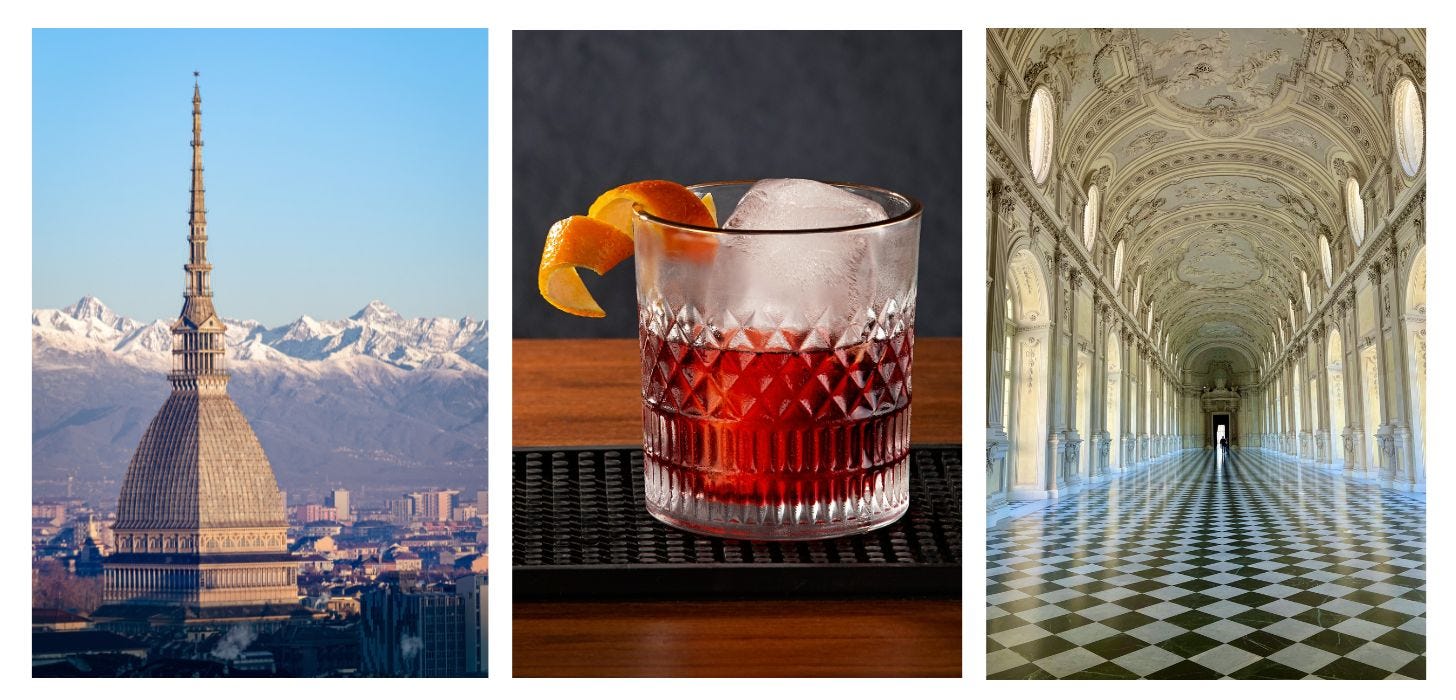
Baroque and bedazzled, the one-time capital of the House of Savoy, Torino is buzzing with art, culture, industry, and incredible food and wine.
Keep reading for more on why this city deserves a stop on your next Italy itinerary. My last visit only lasted 22 hours. Check out my honest itinerary below!

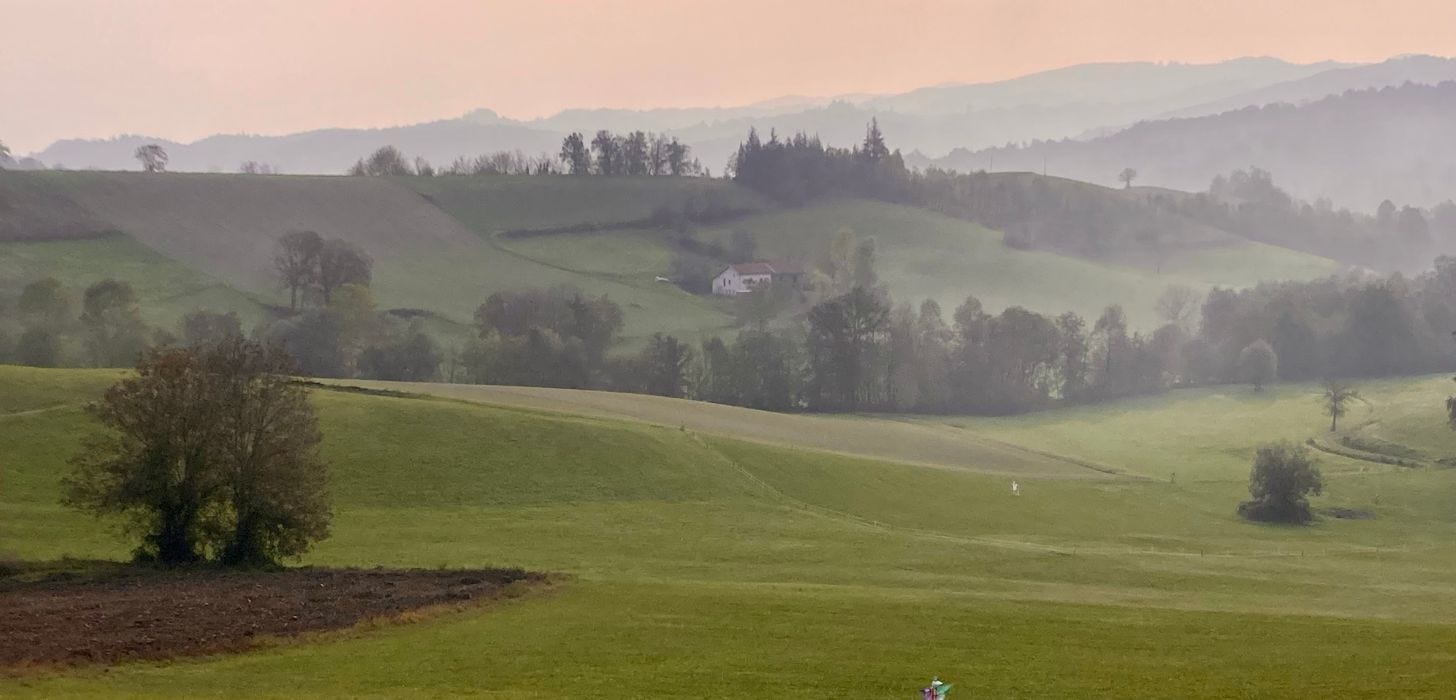
1. Ooh La Le Langhe Wine Country
Torino is an essential stop en route to Le Langhe, Piedmont’s stunning wine country, and a UNESCO Heritage Landscape.
Langa is Piedmontese for a long ridge or hill. Langhe is plural.
An hour-to-ninety minutes south of Torino, Some of Italy’s most intriguing and sought-after wines grow on these slopes, Barolo and Barbaresco, made from the Nebbiolo grape.
2. It’s so close.
An hour (or less!) from Milan, 2 hours from Bologna, and 3 hours from Florence, Torino is a simple train ride. The central station drops you right in the center of town.
3. Walkability
Torino is Italy’s fourth largest city (after Rome, Milan, and Naples), but the historical center where you’ll be spending most of your time feels like Florence—minus the tourists. Human traffic makes a huge difference.
Unlike Rome and Florence’s labyrinthian Medieval and Renaissance corridors, Torino was designed around its palace courts. Wider, ordered streets imagined for processions, are easy to navigate. Pretty porticos once kept the Dukes dry, and now you…when it rains.
4. Finanziera (Waste Not Want Not)
A Torinese delicacy with humble roots. Finanziera was once devoured in the royal courts, a perfect example of elevated frugality. Daring gourmands take note. The dish contains rooster combs, brain, sweetbreads, and liver, gently sautéed with butter, shallot, and white wine, with a final spritz of lemon.
Try it at La Taverna di Frà Fiusch, located in hills just outside of town.
5. Big Beautiful Baroque
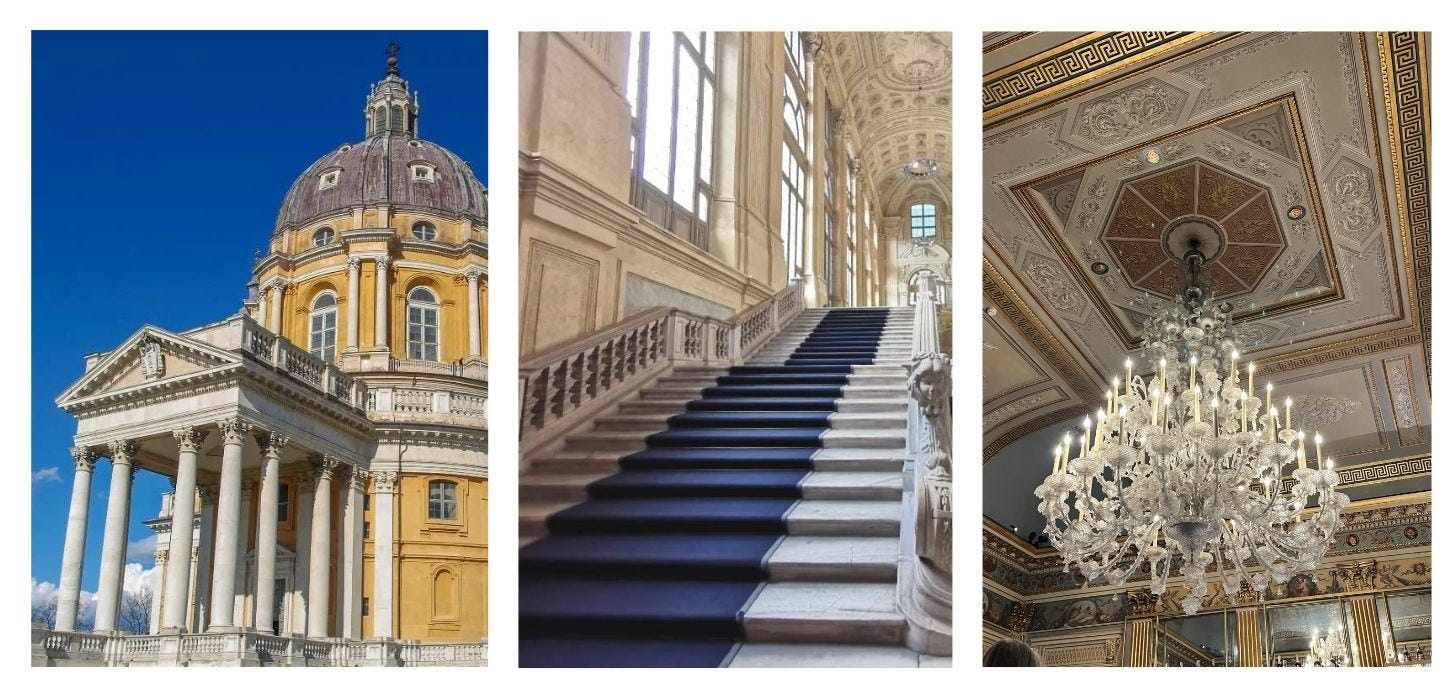
Palazzo Reale, the royal palace of the House of Savoy is a gilded, glamourous baroque-lovers’ dream. The UNESCO World Heritage site deserves a visit.
Carved and frescoed ceilings rival Versailles, and the throne room, all plush red velvet and gold, with massive dripping chandeliers will leave your jaw dragging on the marble floors.
Day Trip Tip: 10 KM outside the city stands Palazzina di Caccia di Stupinigi, a Baroque masterpiece built for the Savoys, principally to host gatherings pre and post hunting expeditions (caccia = hunt), and regal celebrations.
6. Café Culture
Torino’s café scene has been buzzing since the 1700s.
They’ve attracted artists, intellectuals, performers, and literal royalty. any of the key figures (see #20) in Italy’s unification movement plotted over coffee at places like Caffé San Carlo (1822), Caffé Fiorio (1780), and Caffé al Bicerin (#12), and Baratti & Milano (1875).
Add these 20th-century gems to your list too. Caffé Torino (1903), Caffé Mulassano (1907).
Each iconic spot has seen centuries of history happen inside, come with their own legendary creations (coffee, chocolates, tramezzino sandwiches), and their ornate design is joy to behold.
7-8-9. Defying Gravity + Cinema Museum + Views
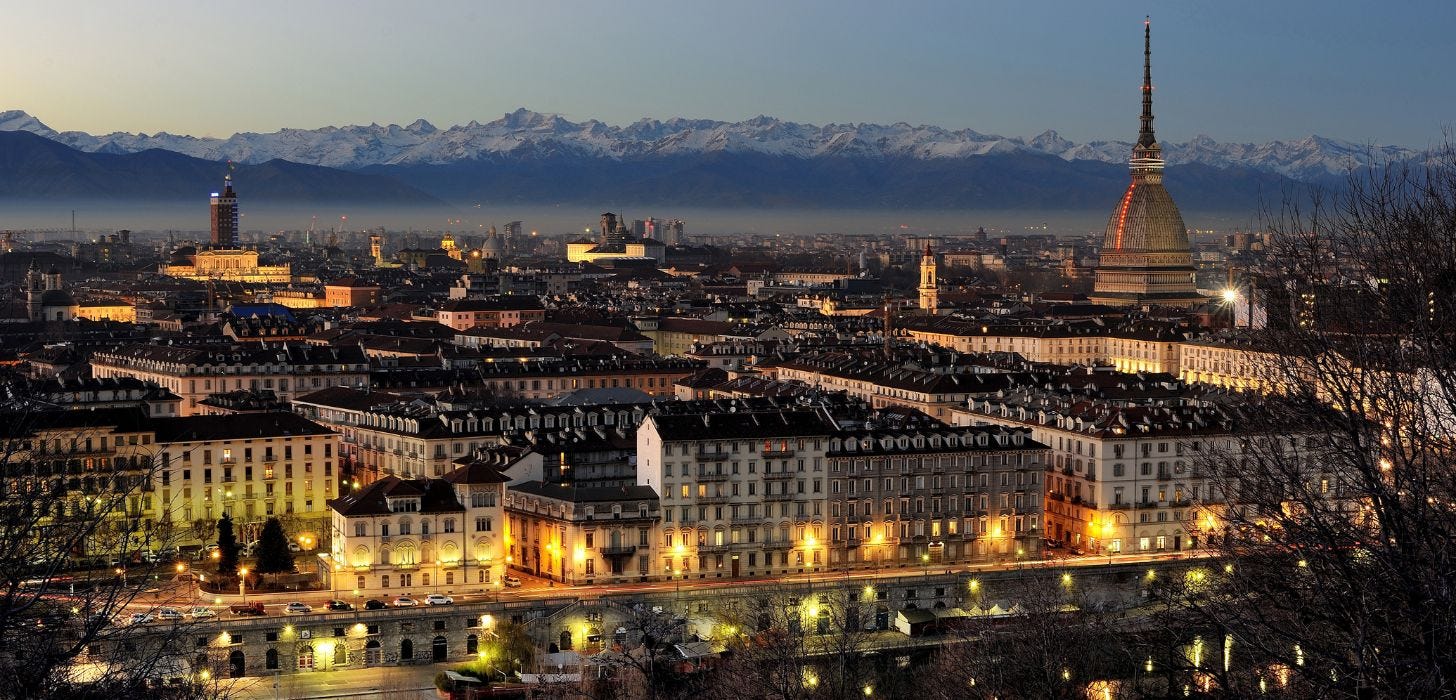
Mole Antonelliana dominates the Torino skyline. At 550 feet tall, it was once the world’s tallest, unreinforced (by steel) brick building. It now houses a fabulous cinema museum.
Shoot up a glass elevator for 360° city views and the Alps.
10. Beyond Barolo
Piedmont is renowned the world over for Nebbiolo-based wines, Barolo and Barbaresco, but the region is home to so many more exciting and elegant grape varieties.
Best part: there’s something for everyone at every budget.
Aromatic whites, floral reds, dry whites with mouthwatering mineral finish, big juicy fruit, and some super fun and fizzy sweet wines. Keep your eye out for Arneis, Gavi, Moscato, Barbera, Dolcetto, and Brachetto.
Stay tuned for a dedicated post on these wines too!
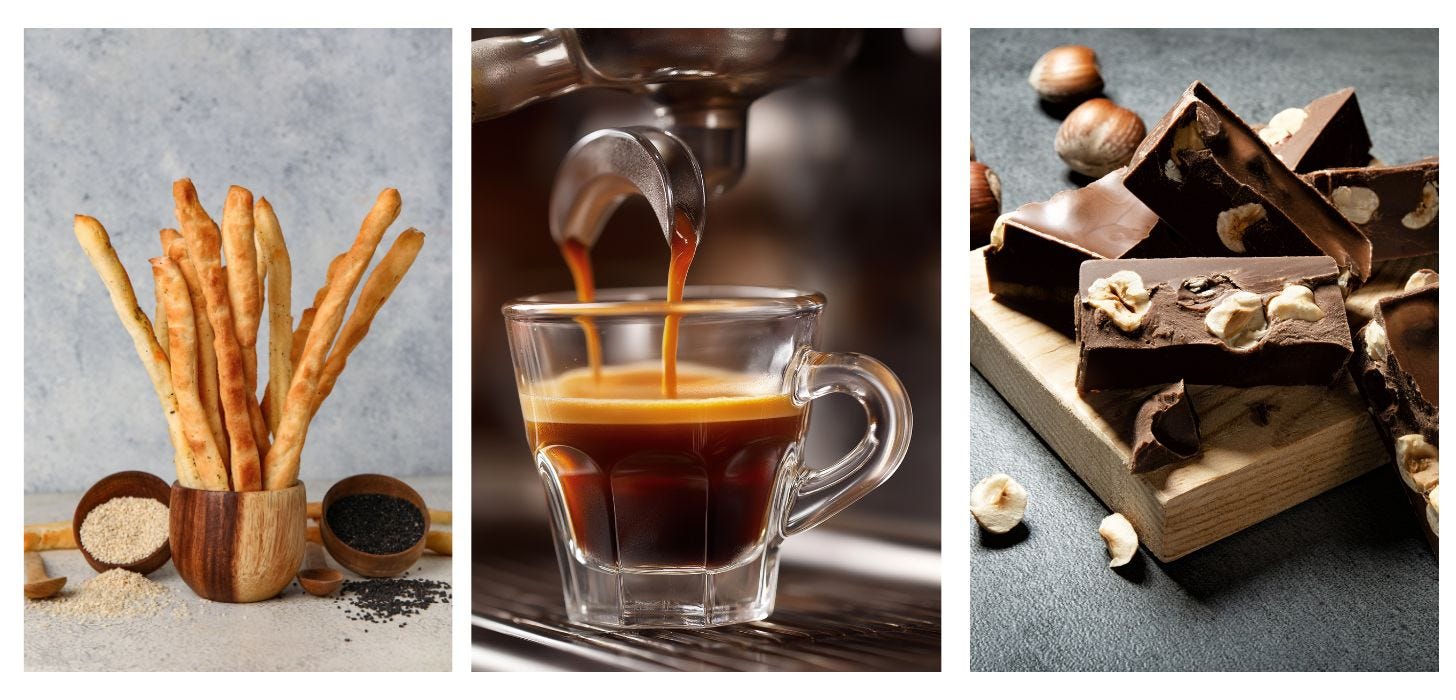
11. Breadsticks, Baby! (AKA Grissini)
According to local lore, during the late 1600s, a sickly Savoy prince suffered issues digesting bread with too many crumbs. A baker was brought in to find a solution.
Ghersa is Piedmontese for a large rustic loaf. Grës and griss refer to the words grey or rough.
Grissia therefore, referred to a long, stretched loaf, ghërsin” and grissino, with their ‘ino’ suffix makes it diminutive, ie, a small, stretched-out, rough loaf. And there you go!
Grissini also appear on a 15th-century fresco in the Duomo of nearby town, Chieri. The jury is in.
12. Meats and Sauces
Condiment lovers take note.
Bollito Misto is literally a variety of boiled meats including: beef shoulder, brisket, tongue and cheek, cotechino pork sausage, and sometimes chicken.
Melt-in-your mouth meats are slowly stewed, and served with dips like salsa verde (parsley, garlic, anchovies, vinegar), salsa rossa (slightly sweet-spicy tomato), horseradish, and fruit-infused mustards.
Try it at La Locanda del Bollito.
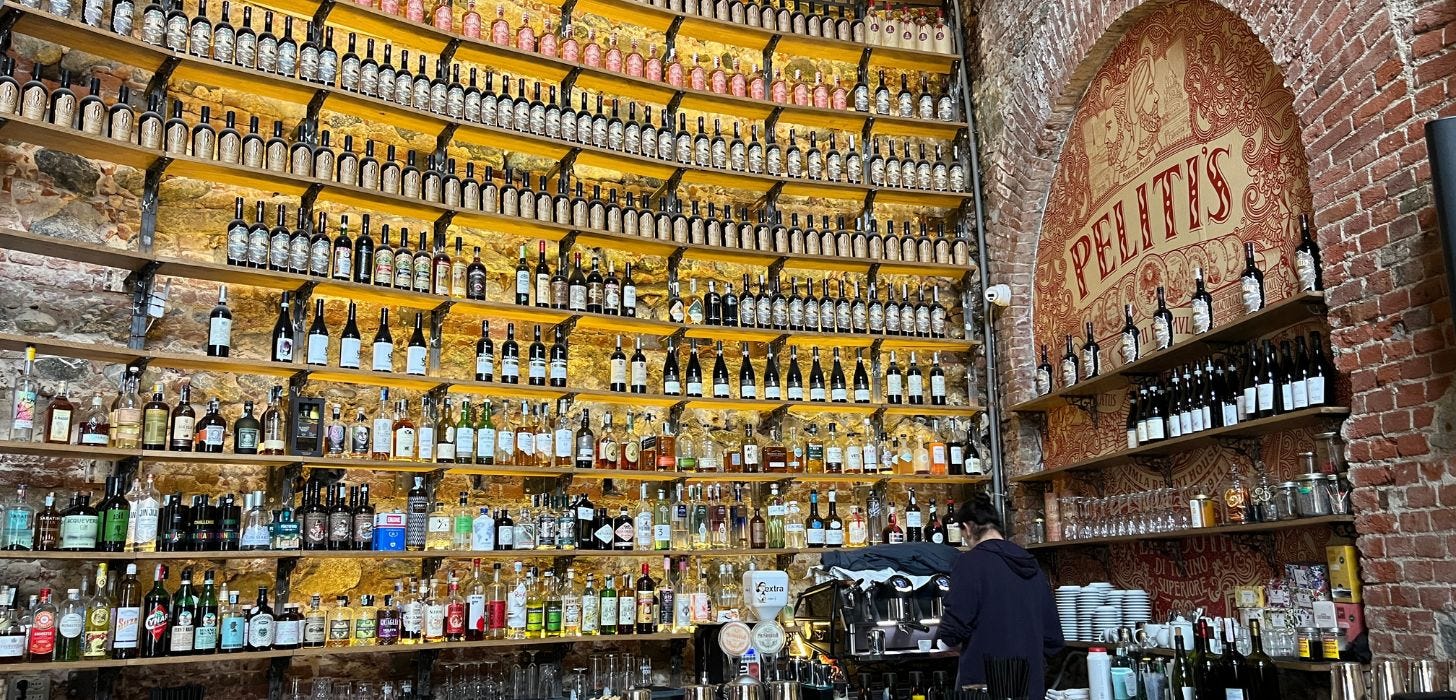
13. Vermouth
A key ingredient of the Martini, Negroni, and Manhattan cocktails, vermouth deserves a solo in the spotlight.
Named after a key ingredient (wormwood/ vermut ), vermouth is aromatized, fortified wine, flavored with herbs and spices. It comes in a red (rosso) and white (white) versions, its color determined the ingredients.
Antonio Benedetto Carpano is credited with creating the first recipe to gain popularity, in Torino, in 1786.
Carpano Vermouth is still on the market today, along with hundreds of others from while smaller craft labels that offer a world of discovery.


14. A Napkin Full of Pasta
Agnolotti del Plin (plin = Piedmontese for ‘pinch’) are hand-cinched tiny meat-stuffed pockets. They come dressed in several ways: butter and sage, meat broth, or my personal favorite—dished out on a clean white napkin. There’s a nostalgic quality to eating it plain, and the filling is always a flavor bomb that—honestly—requires no extra sauce.
Try it and other traditional dishes at Piola da Celso, described by a friend as “eating at grandma’s house.”
15. Bicerin
Torino’s famous coffee drink is named after the café that invented it. Bicerin is Piemontese dialect for the Italian word, bicchierino, little glass.
Caffé Bicerin opened in in 1763 and is still operating in its current location.
The recipe: espresso, fresh cream (or a blend of whole milk and cream), and melted dark chocolate. Resist stirring it up. The inventors claim the truest flavor experience happens as the three liquids meld on their own.
16. Nutella
Nutella’s predecessor, gianduia / gianduja, was allegedly created in Torino by pastry chefs in the early 1800s. In a response to Napolean’s blockade of British goods (including cacao) into French territory, pastry chefs ground local hazelnuts— a prize crop in Piemonte—into cacao paste. The rest is history.
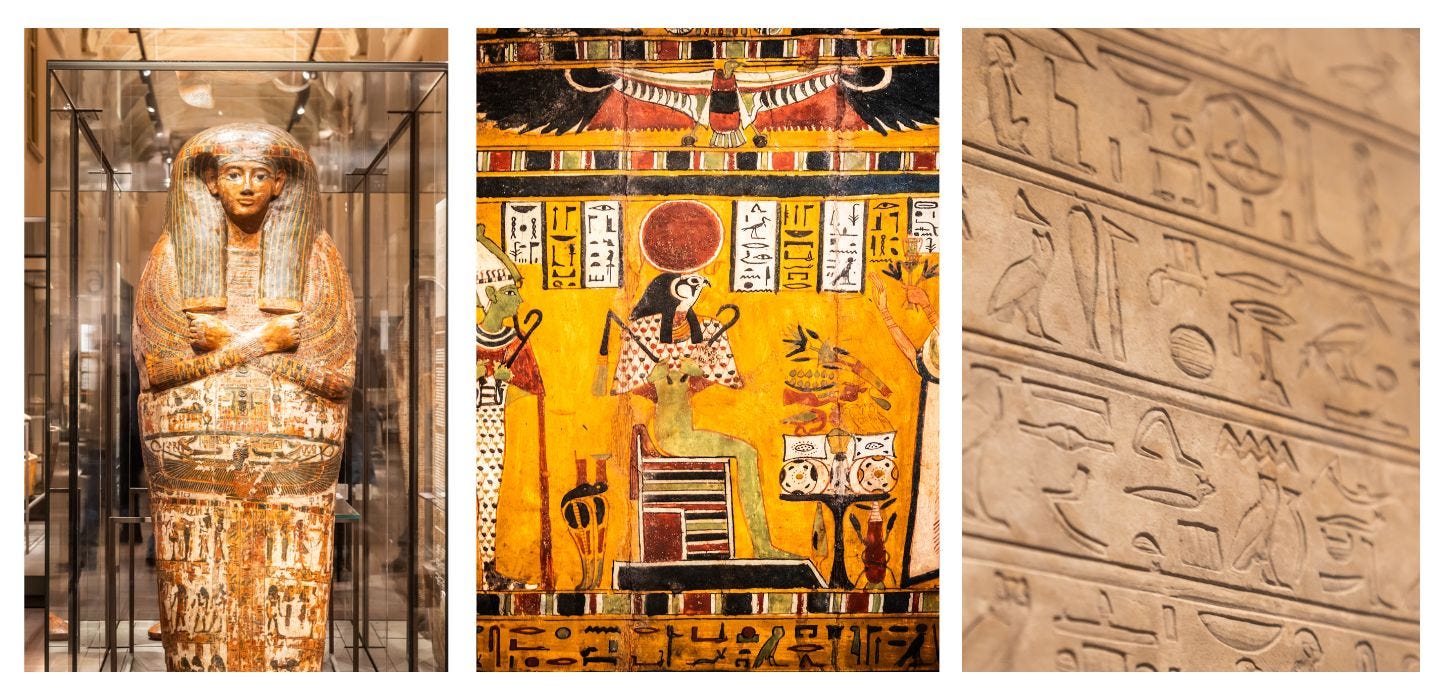
17-18-19-20. The Museum Scene
Torino’s dizzying museum selection (50+) has something for everyone. Don’t miss:
The Egyptian Museum - the world’s largest collection outside of Egypt.
The National Automobile Museum – A collection of 200 original cars tells a fascinating story of design, innovation, and modern human history.
Palazzo Madama – Built on the foundations of a Roman gate, later integrated in a medieval fortress, a baroque palace, and finally modern museum, this museum is a showcases 2000 years of history.
Lavazza Museum – Luigi Lavazza started blending coffee in his little bottega in 1895. The brand has since conquered a world of coffee lovers. Explore Italy’s inexorable relationship to coffee in a multisensory, full immersion look at the coffee industry from bean to cup, advances in espresso machinery, and deeply embedded cultural rituals.
Museo Nazionale del Risorgimento Italiano – Believe it or not, Italy as a modern nation is younger than the USA. Until the mid-1800s, Italy was a fractured land of kingdoms, many under foreign and oppressive control.
After a series of failed revolts, military strategists, politicos, intellectuals, and cooperative royalty, helped forge the first Italian Republic in 1861. Many of the Italy’s main roads are named after them: Garibaldi, Mazzini, Cavour, and Vittorio Emmanuele. This museum offers a deeper understanding of Italy and its incredibly diverse regional cultures. You’ll never read a map in the same way again.
21. White Truffle
Tartufo Bianco d’Alba, by far the most revered of the gourmet tubers, is native to the countryside outside of Torino. Highly prized for its rarity and intoxicating aromas, the best place to get your money’s worth for a mouthful of truffle is right here.
The season runs between October and December, so plan accordingly.
Save a day or two for the Truffle Festival in the town of Alba. The Piedmontese extravaganza includes seminars, wine tasting, cooking classes, tours, and folkloric presentations.
22. I Murazzi
An iconic spot for gorgeous views by day and a vibrant bar scene by night.
Murazzi is a derivative of muraglioni, the embarkments along the Po River.
Piazza Vittorio Veneto—itself a buzzy square with plenty to do—is a good place to start. Head down the stone stairs. The area runs up and down the East side of the river.
A perfect spot for a sunny lunch or aperitivo with a view of the hills across the river, the area hosts a stretch of bars, clubs, and restaurants, including Vermoutheria Peliti’s where I got schooled on my latest favorite spirit.